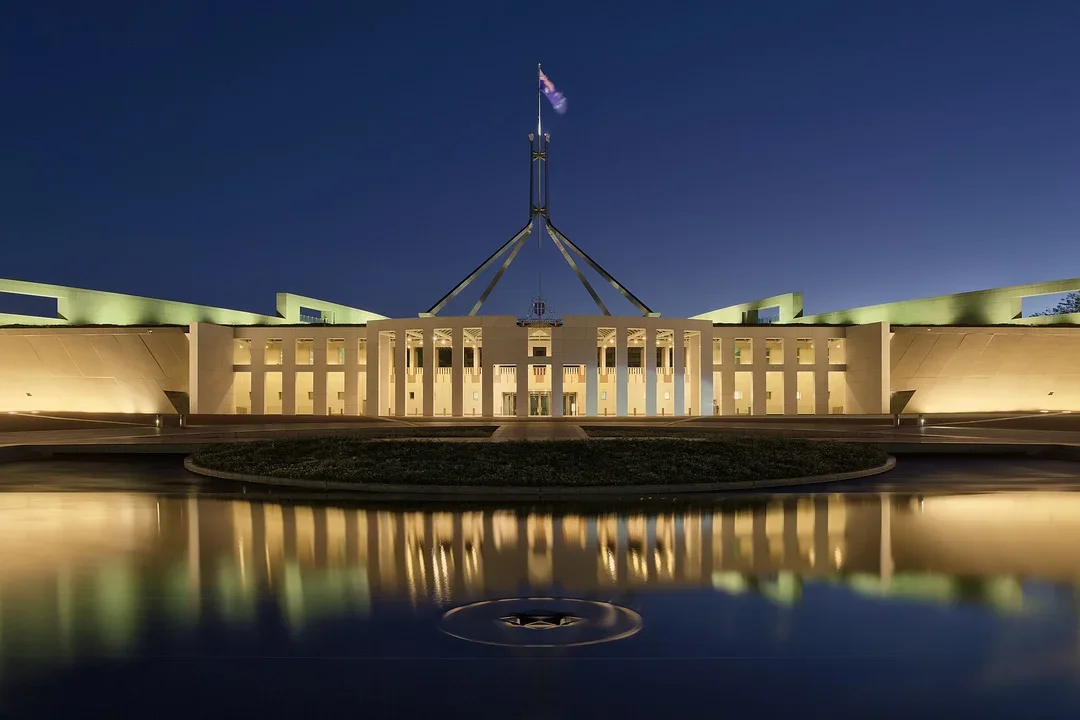
For most of my gaming life, Australia simply didn't have an adult rating for video games. Films had R18+. Games stopped at MA15+, and anything that needed more than that didn't get classified at all. It got Refused Classification, which in plain terms meant it couldn't legally be sold here. Not edited down, not slapped with a warning sticker. Banned.
That lasted from 1995 to the start of 2013, and the list of games caught by it reads like a who's who of the PS2 and Xbox 360 years: Grand Theft Auto III, Manhunt, San Andreas, Fallout 3, Left 4 Dead 2, Mortal Kombat. Some came back cut. Some never came back at all. And a few are still refused today, more than a decade after the adult rating finally arrived.
This is how we got there, the games that copped it, the one politician who held the whole thing up, and what's actually changed since.
It started with Night Trap
Before 1994, games in Australia weren't classified at all. Films and videos went through the censors; a cartridge or a floppy disk just went on the shelf. That changed because of one Sega CD game.
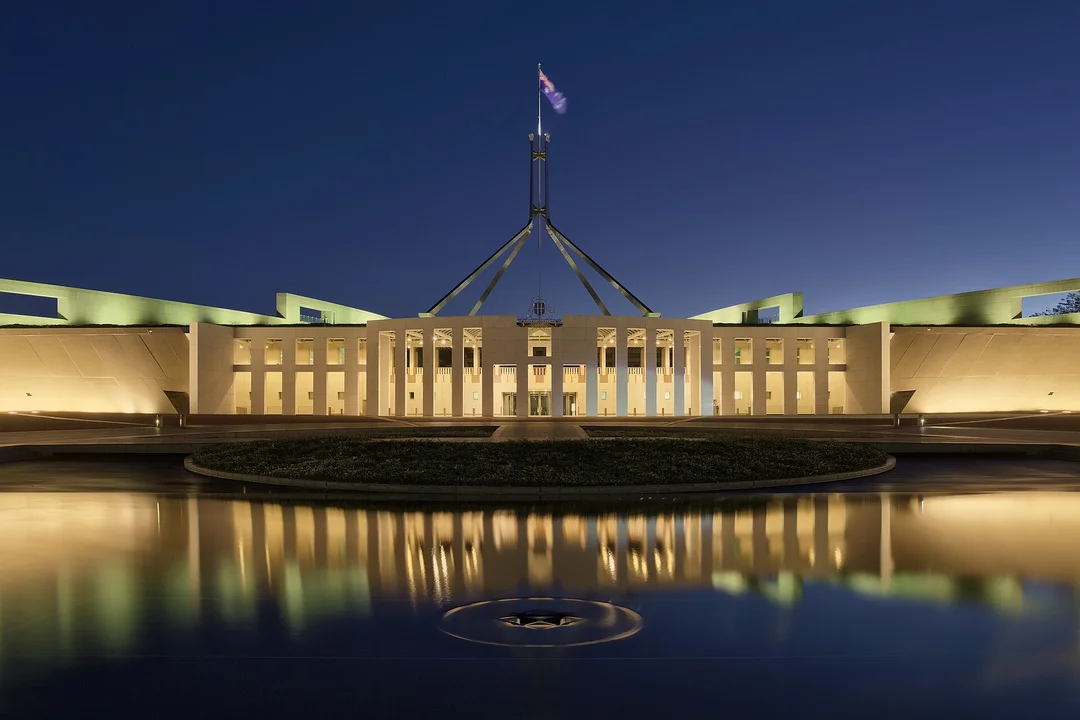
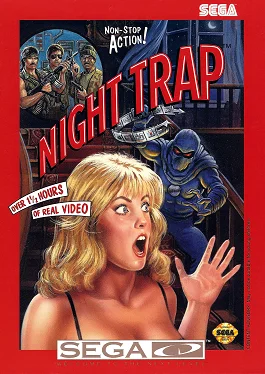
Night Trap was a full-motion video game: grainy live-action footage of actors in a house, with you flicking between security cameras and springing traps on hooded intruders before they grab a group of young women staying the night. By today's standards it's about as scary as a late-night B movie. In 1993 it was a lightning rod. It caused an outcry in Britain, it was dragged in front of the US Senate alongside Mortal Kombat, and it landed here at exactly the same moment.
On 3 June 1993, Sega Ozisoft, Sega's Australian distributor, announced its own ratings system: GA for general audiences, MA-13 and MA-17. A Sega spokeswoman said the ratings were sparked by the company wanting to sell Night Trap here, and Sega's Australian head, Kevin Bermeister, said Sega had "decided not to import Night Trap under existing classification practices". The Canberra Times ran it the next day as Ratings system for video games.
Self-regulation wasn't going to cut it. A Senate committee chaired by Senator Margaret Reynolds had been looking at "community standards" in electronic media, Western Australian opposition member Judith Watson was pushing hard on the violence in games, and that committee recommended classifying them. The federal and state attorneys-general met in Darwin at the end of June 1993 to start working out how. A Canberra Times columnist that week, writing about the Darwin meeting, put the whole fuss down to "a Sega import called Night Trap", noting that one in four Australian households now had a video game system.
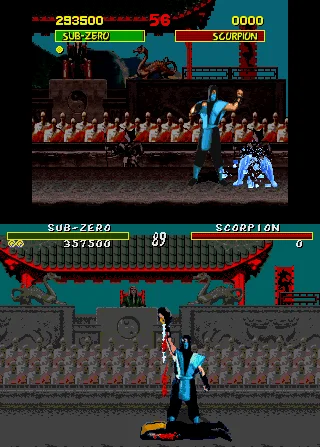
Then there was Mortal Kombat. The arcade game's digitised actors, blood and fatalities were exactly the kind of thing the committee had in mind, and the home ports split the difference in the most famous way possible: Nintendo's Super Nintendo version swapped the blood for grey "sweat", while the Mega Drive version kept it behind a code.
The ten weeks Australia had an R rating
On 18 February 1994, federal Attorney-General Michael Lavarch announced that every state and territory had agreed to a national classification system for computer games. The Canberra Times headline was Censor to rate all computer games G to X, and on paper that's what it was: G, G8, M, MA, R and X.
It was also deliberately tougher than the rules for films. "In practice, this will mean that the level of violence that might attract an M rating in film and video would be likely to attract an MA rating in a computer game," Lavarch said, because ministers believed "a tougher approach is necessary to reflect concerns about the harmful effects of the interactive nature of the games". The Office of Film and Literature Classification said the same thing in its 1993-94 annual report: games, because of their "interactive" nature, might have "greater potential for harm" on young minds than film or video. That one idea underpinned every refusal and every cut release for the next twenty years. A film could show you something. A game let you do it.
Not everyone bought it. Dennis Taulis, part-owner of the Metro arcades in Manuka and Woden, told the paper the next day that tougher rules for games than films were "unfair". "If you watch a movie you leave the movie still hyped," he said. "With a video game, you're taking all of your tension out on the game."
The new scheme started on 11 April 1994, and here's the bit almost nobody remembers: the R and X categories existed. The Commonwealth's position was that it would classify games at whatever levels the states wanted to allow. NSW moved first to ban R and X games, every other state followed, and the ACT held out. Its Attorney-General, Terry Connolly, argued that banning them would just push the games onto dial-up bulletin boards where nobody could regulate anything. Then, on 13 May 1994, the ACT reversed. The Canberra Times front page said Prime Minister Paul Keating had spoken "extensively" to Chief Minister Rosemary Follett, who decided that refusing to ban the games would undermine the otherwise unanimous position of the states. (She said there was "no pressure whatever".)
With no jurisdiction willing to allow them, the ACT amended its ordinance in mid-1994 to remove the R and X categories for games altogether. Anything that would have fallen into them would now be refused classification. The explanatory statement notes, almost in passing, that "no material has to date been classified 'X 18+' or 'R 18+'". Australia had an adult rating for games for about ten weeks, and never used it.
The national Classification Act took over on 1 March 1995. For games, the ladder stopped at MA15+. Remember that point, because the next eighteen years all hang off it.
| When | What happened |
|---|---|
| June 1993 | Sega Ozisoft sets up its own GA, MA-13 and MA-17 ratings so it can sell Night Trap here |
| Mid 1993 | A Senate committee chaired by Margaret Reynolds recommends classifying games; attorneys-general meet in Darwin |
| 18 Feb 1994 | Michael Lavarch announces a national scheme, G to X, and tougher on games than on film |
| 11 Apr 1994 | The games scheme starts, with R and X categories on paper |
| 13 May 1994 | The ACT, the last holdout, agrees to ban R and X games after Paul Keating calls Rosemary Follett |
| Mid 1994 | R and X are removed for games. Nothing was ever classified in either |
| 1 Mar 1995 | The Classification Act takes effect. Games stop at MA15+ |
| 2001 to 2011 | GTA III, Manhunt, San Andreas, Fallout 3, Left 4 Dead 2, Mortal Kombat and dozens more are refused |
| Feb 2010 | A public consultation closes: 98% of 58,437 submissions back an R18+ for games |
| 22 Jul 2011 | Attorneys-general agree in principle. NSW signs on 10 August |
| 1 Jan 2013 | R18+ for games takes effect |
| Jun 2013 | Saints Row IV and State of Decay are refused anyway |
| Sep 2019 | GTA III with its cut content restored is rated R18+, 18 years after the ban |
The case files
In practice, a publisher with a game that pushed past MA15+ had two options: cut it and resubmit, or don't sell it here at all. Here are the ones that made the most noise.
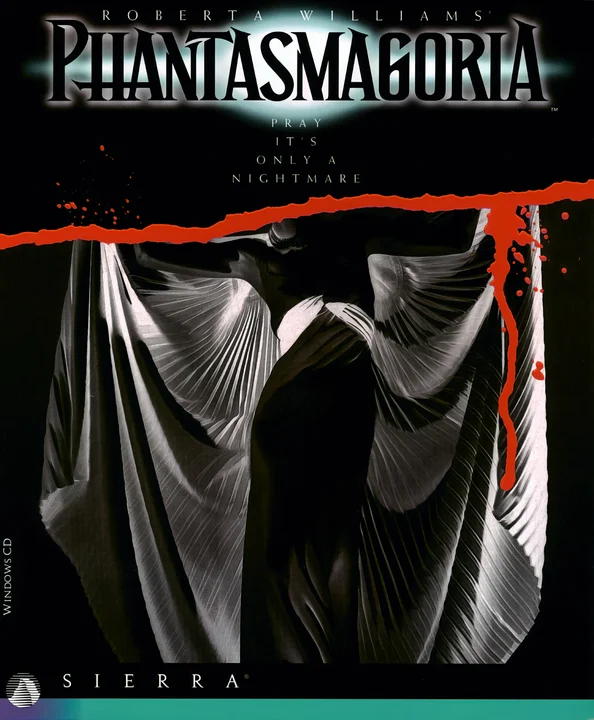
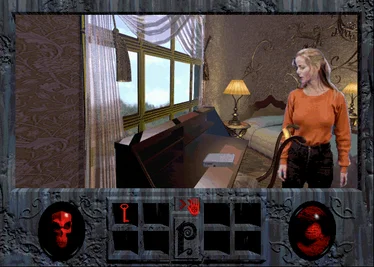
Roberta Williams' live-action horror game for Sierra was one of the first big names refused under the new rules, and it's never been rated since. It went further than you'd think: the Roberta Williams Anthology collection was banned here too, because it included a one-chapter preview of Phantasmagoria.
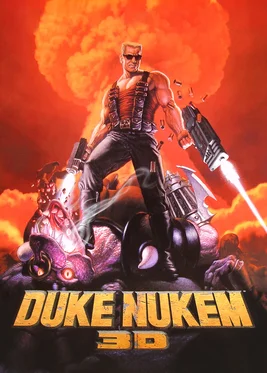
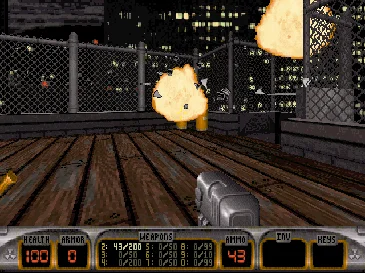
Duke was refused on release here, the year it was the biggest shooter on the planet. It was later passed uncensored at MA15+, which says a lot about how case by case all of this was.
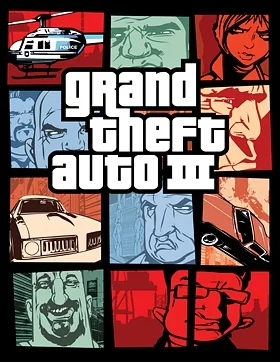
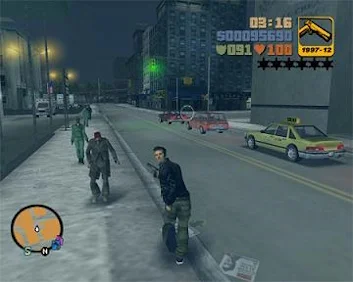
GTA III actually went on sale here uncut at MA15+. Then the OFLC took another look and refused it, over the ability to pick up a prostitute and then attack her to get your money back. Take-Two recalled it, Rockstar removed the prostitutes, and the modified version came back at MA15+ in January 2002. That's the version most Australians played on PS2.
The original content didn't get a rating here until 26 September 2019, when a version with it restored was rated R18+. Eighteen years. That's an entire console generation and a half before a game got to exist here the way it existed everywhere else.
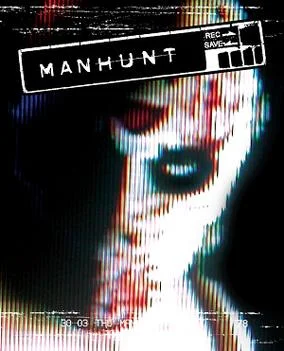
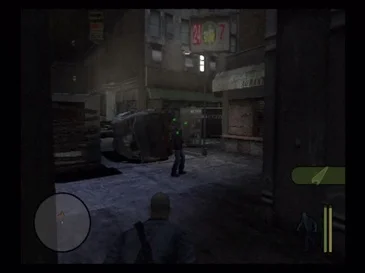
Manhunt is the odd one out, because the Classification Board originally passed it. It was federal Attorney-General Philip Ruddock who asked the Review Board to look again, and in September 2004 it was refused for high impact violence involving torture. By then it had already sold around 18,000 copies here, which all became unsellable overnight. It has never been rated since.
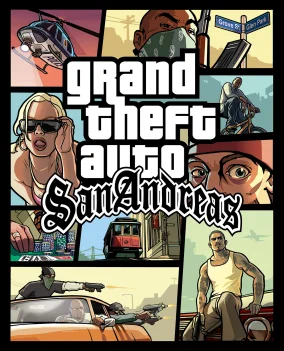
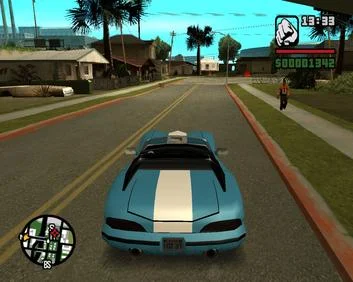
San Andreas was rated MA15+ and sold over 58,000 copies here in its opening weekend. Then the "Hot Coffee" mod turned up: a sex minigame still sitting in the game's files, switched off, but unlockable with a fan-made mod. The game was pulled from shelves in July 2005, its classification was revoked in August, and it came back once Rockstar released an edited version worldwide.
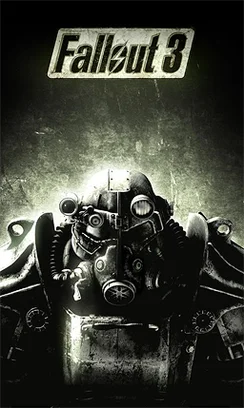
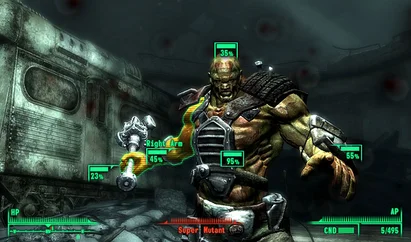
Fallout 3 wasn't refused for its violence, and there's plenty of it. It was refused because its drugs were realistic enough, morphine by name, with an injection animation, that the Board worried about it normalising real drug use. Bethesda renamed morphine to the made-up Med-X, dropped the animation, and made that the version everyone got, worldwide. A few months later it sailed through at MA15+, which tells you a lot about how literally this stuff was being read.
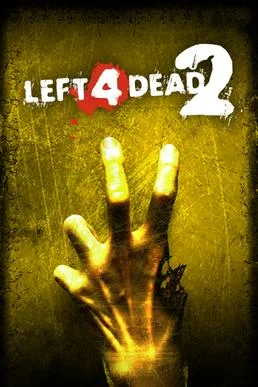
This one stung, because it was a co-op shooter built to be played with your mates. Valve's first submission was refused, and the version that got through at MA15+ had no "decapitation, dismemberment, wound detail or piles of dead bodies". Infected just collapsed and faded away. The uncut game wasn't rated here until August 2014, nearly five years later. Funnily this one was quite easy to get around from day 1 if you weren't worried about voiding Steam's Terms of Service for all of 5 minutes while you changed you billing address to the US, bought the game, then switched it back to your real address. The full gore version was the one purchased and never reverted.
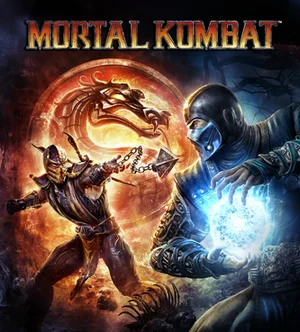
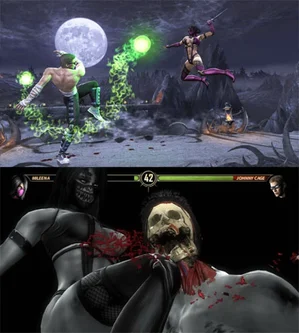
The series that helped start all this came full circle. Almost exactly eighteen years after the Senate inquiry, the Board refused the 2011 Mortal Kombat reboot for its "explicit depictions of dismemberment, decapitation, disembowelment and other brutal forms of slaughter". Warner Bros. appealed and lost. Customs listed the game as a prohibited import, and the federal Minister for Home Affairs, Brendan O'Connor, asked to be briefed on the decision because of "public disquiet on the issue". The Vita version was refused in 2012 as well. It finally came out here, as the Komplete Edition, in 2013.
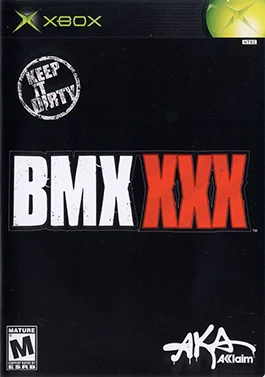
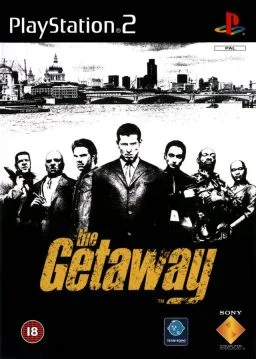
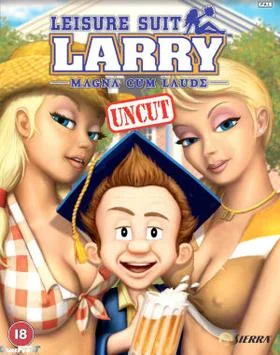
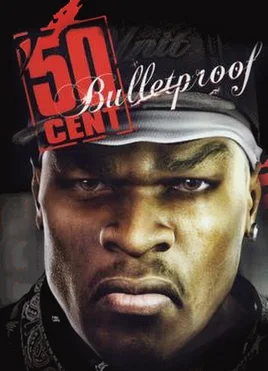
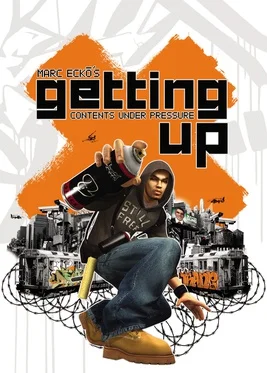
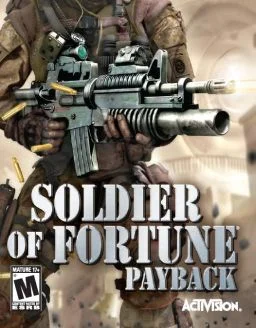
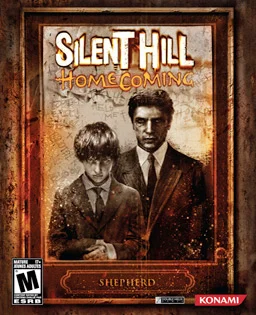
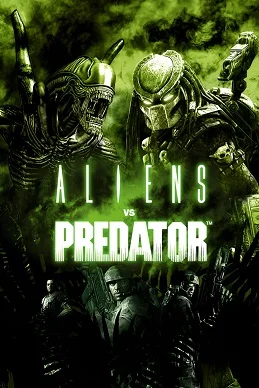
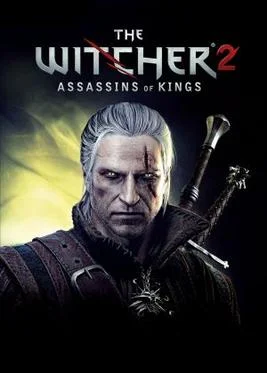
Twenty-two games refused before R18+ existed, by year, with what happened next. Swipe or scroll sideways →
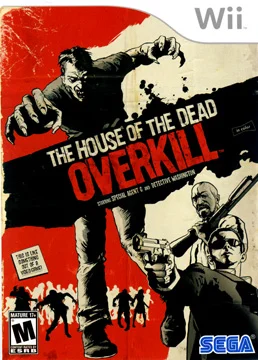
The campaign, and the one man who kept blocking it
None of this was a secret or an accident people assumed would sort itself out. Gamers had been arguing for years that adults deserved the same access in games as they already had in film, and the numbers backed them. When the federal Attorney-General's Department ran a public consultation on an R18+ for games, it closed on 28 February 2010 with 58,437 valid submissions, and 98% of them were in favour. A Galaxy phone poll released that December had 80% of 2,226 people saying yes.
The catch was the same one that killed R and X in 1994: classification is a cooperative scheme, and changing it needed every state and territory attorney-general to agree. For years, one of them wouldn't. South Australia's Attorney-General, Michael Atkinson, blocked every attempt. "I don't support the introduction of an R18+ rating for electronic games," he wrote, "chiefly because it will greatly increase the risk of children and vulnerable adults being exposed to damaging images and messages."
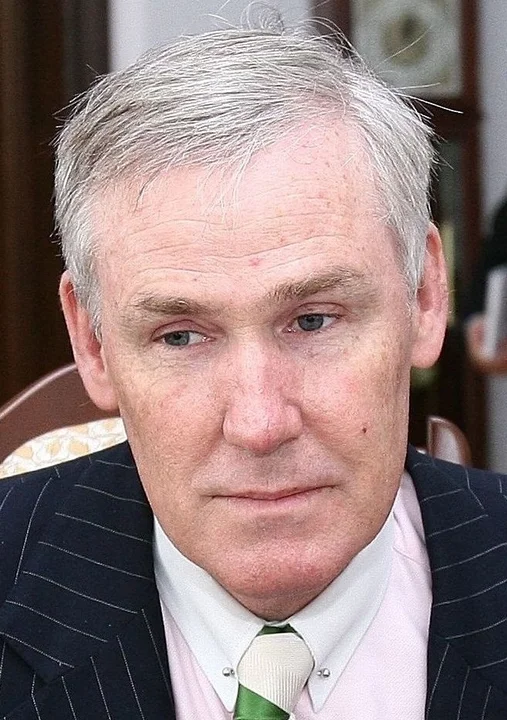
So gamers did something very Australian about it and started a political party. Gamers 4 Croydon was registered for the 2010 South Australian election with one goal, unseating Atkinson in his own seat of Croydon, and ran six candidates. He held the seat, but with a 12% swing against him, well above the statewide swing, and the day after the election he stepped down as Attorney-General. His replacement, John Rau, was reportedly in favour of the rating.
Even federal Opposition Leader Tony Abbott, asked about it at a forum at Rooty Hill RSL in August 2010, said "Instinctively I'm with you, and it's something I'd be happy to look at, if we are in Government", while admitting he hadn't known there was a debate. Which is about as close as you get to bipartisan agreement on anything.
With Atkinson gone, the dam broke fast. The attorneys-general reached in-principle agreement on 22 July 2011, and in a nice bit of symmetry with 1994, there was one holdout again: New South Wales, which signed on on 10 August 2011. The federal government had already made clear it would move ahead regardless, which probably helped concentrate minds. The law was amended, and R18+ for games took effect on 1 January 2013.
What changed, and what didn't
The first game classified R18+ was Ninja Gaiden 3: Razor's Edge on Wii U, in the first fortnight of January 2013, for "high impact bloody violence". Mortal Kombat and plenty of others followed that year.
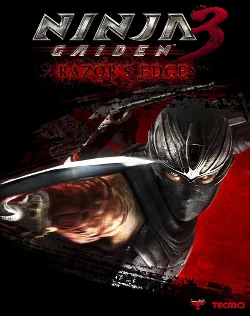
If you're picturing the floodgates opening and every previously banned game sailing through, that's not quite what happened. R18+ raised the ceiling. It didn't remove it, and it was never meant to. Refused Classification still exists, and the new guidelines kept a rule that would trip up game after game: drug use "related to incentives and rewards".
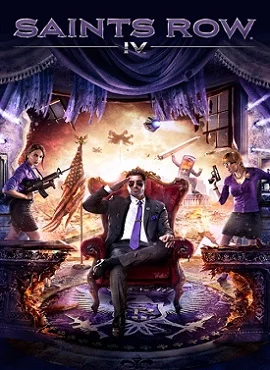
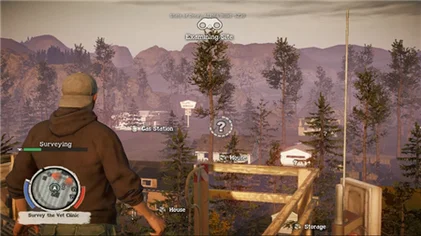
Less than six months in, in June 2013, Saints Row IV was refused over its "alien narcotics" and its sexual violence, and an appeal only overturned the sexual violence part. It came out at MA15+ minus a mission. Days later State of Decay was refused for the same drug rule, and the fix was so simple it's funny: the drugs became vitamins, and it passed at R18+.
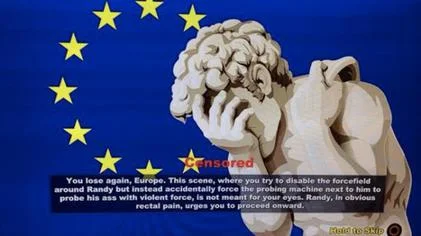
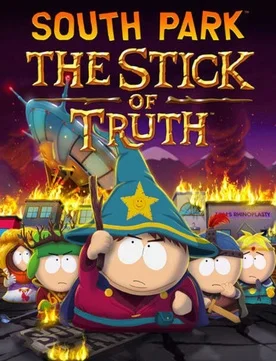
Then South Park: The Stick of Truth was refused in September 2013 over scenes involving anal probing and an abortion, with a child as the player character. Rather than re-cut the game silently, the edited version replaced each missing scene with a card explaining what you'd missed. Europe's showed a facepalming statue. Ours showed a crying koala.
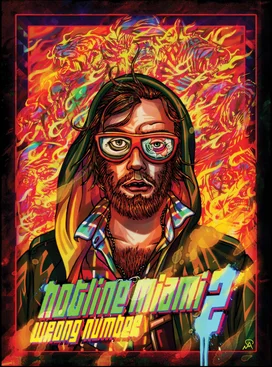
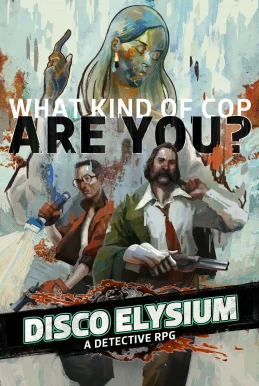
Hotline Miami 2 was refused in January 2015 over a scene of sexual violence, and it's still refused. Its developers said the Board had "stretched the facts", didn't appeal, and later suggested Australian fans just pirate it. Since then, more and more games on digital stores have been rated through the automated International Age Rating Coalition questionnaire, which has produced its own run of surprise refusals, some later overturned on review. Disco Elysium: The Final Cut was refused in March 2021 over drug use and passed at R18+ two months later, once the Board accepted the game actually punishes you for it. And the drug rule is still biting: in July this year, Halloween: The Game was refused for it.
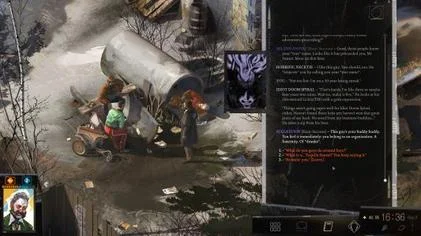
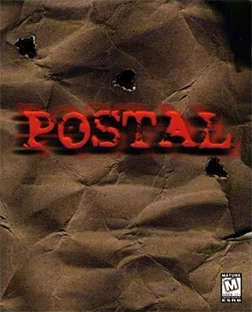
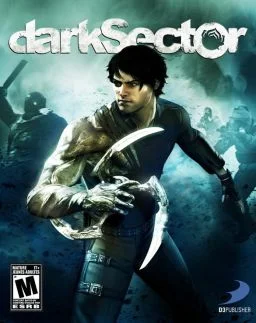
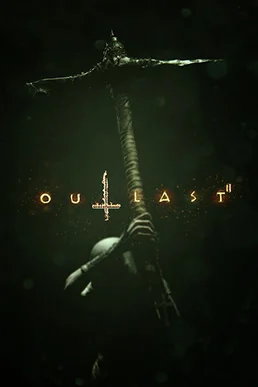
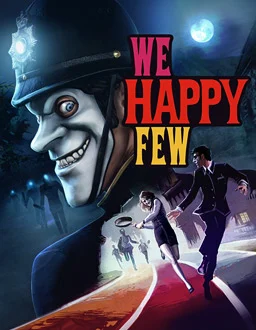
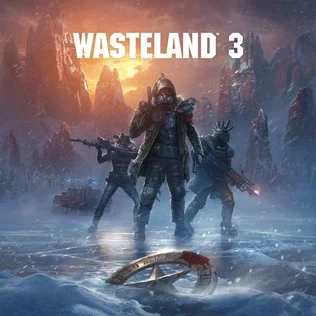
Eight that were refused after R18+ arrived. Swipe or scroll sideways →
Playing them now
The good news is most of the big ones are legal and easy to get these days. Left 4 Dead 2 has been rated R18+ uncut since 2014. Mortal Kombat came out as the Komplete Edition at R18+ in 2013. Duke Nukem 3D was passed uncut long ago, and Fallout 3 and San Andreas are the same edited versions the rest of the world got. Disco Elysium: The Final Cut is R18+, and State of Decay, vitamins and all, is too.
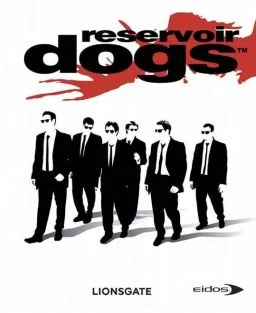
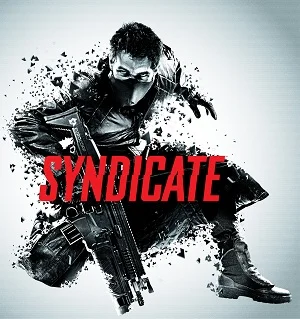
Some still aren't here. Manhunt, Phantasmagoria, Reservoir Dogs, Syndicate and Hotline Miami 2 all remain refused, and South Park: The Stick of Truth is still the koala version locally. It's worth knowing the law here too: it's an offence to sell or hire a refused game, but in most of Australia it isn't an offence to own one. Western Australia and parts of the Northern Territory are the exceptions.
Looking back on it
I grew up buying the cut versions of games without really knowing what had been changed, because there was nothing to compare it to on the shelf, just the version Australia got. Looking back at the actual list of what got banned, cut or quietly delayed, it's a strange mix of things that genuinely pushed boundaries and things that got caught by a rule that was arguably never built to handle them sensibly. Either way, it took the better part of two decades and one very stubborn politician leaving office to fix.
Which cut version did you end up with, and did you ever track down the real thing? Let us know in the comments.
Photo credits: Parliament House photo by Thennicke (CC BY-SA 4.0); Michael Atkinson photo by Katarzyna Czerwińska (CC BY-SA 3.0 PL); Phantasmagoria box art by Sierra On-Line (CC BY-SA 4.0). All sourced via Wikimedia Commons. Game box art and screenshots © their publishers (Sega, Midway, Sierra, 3D Realms, Rockstar Games, Bethesda Softworks, Valve, Warner Bros., Ubisoft, Devolver Digital, ZA/UM, Nintendo, Tecmo Koei and others), via Wikipedia. Newspaper reports from The Canberra Times, 1993 and 1994, via Trove (National Library of Australia). Images are used for editorial purposes only and not for profit. If you own an image used here and have any concerns, email contact@playtopia.com.au and we'll happily credit or remove it.