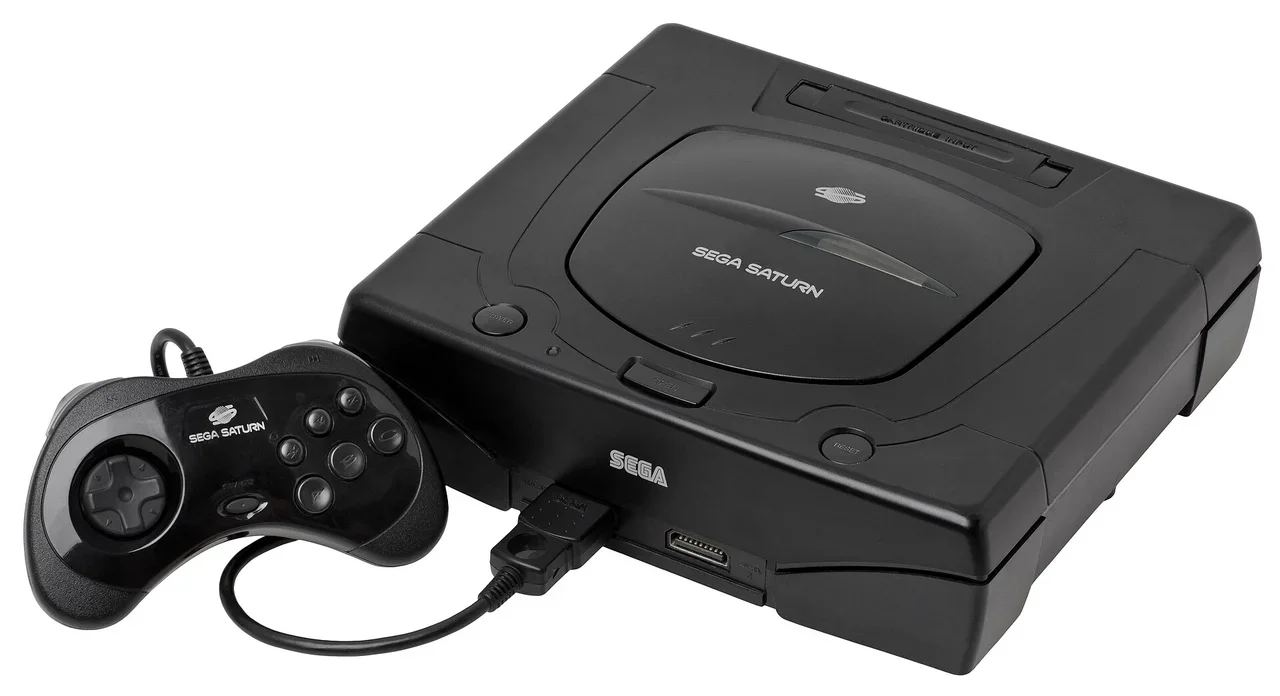
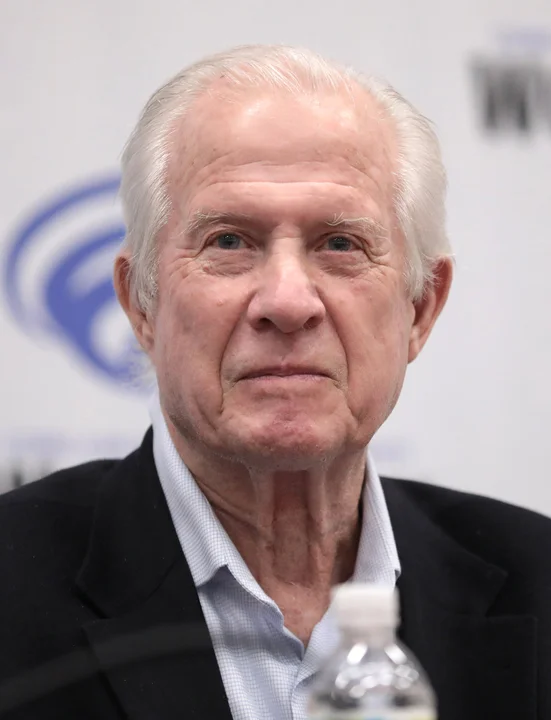
At E3 1995, the very first one, Sega of America boss Tom Kalinske walked on stage and told the room the Saturn was on sale that day. Not in September like everyone had been told. Today, for $399, bundled with Virtua Fighter. Thirty thousand units had already gone out the back door to Toys "R" Us, Babbage's, Electronics Boutique and Software Etc.
It sounded like a win. Sega had beaten Sony to market by months... But it wasn't.
Four months early, and nobody told the shops
The Saturn was supposed to launch on "Saturnday," September 2, 1995. Sega of Japan pulled that date forward by four months to get ahead of the PlayStation, and the surprise went off exactly as planned at E3. The trouble was everyone who wasn't one of the four big retailers that were in on the surprise.
Best Buy and Walmart found out when everyone else did, when it was announced live on stage, and they were furious about it. KB Toys took it further and simply refused to stock the Saturn and its games at all, which is a brutal thing to have happen to a console that needed every inch of shelf space it could get. Europe had the same problem on a smaller scale: retailers there had no lead time to promote a launch that had already happened somewhere else.
Six games and a scramble
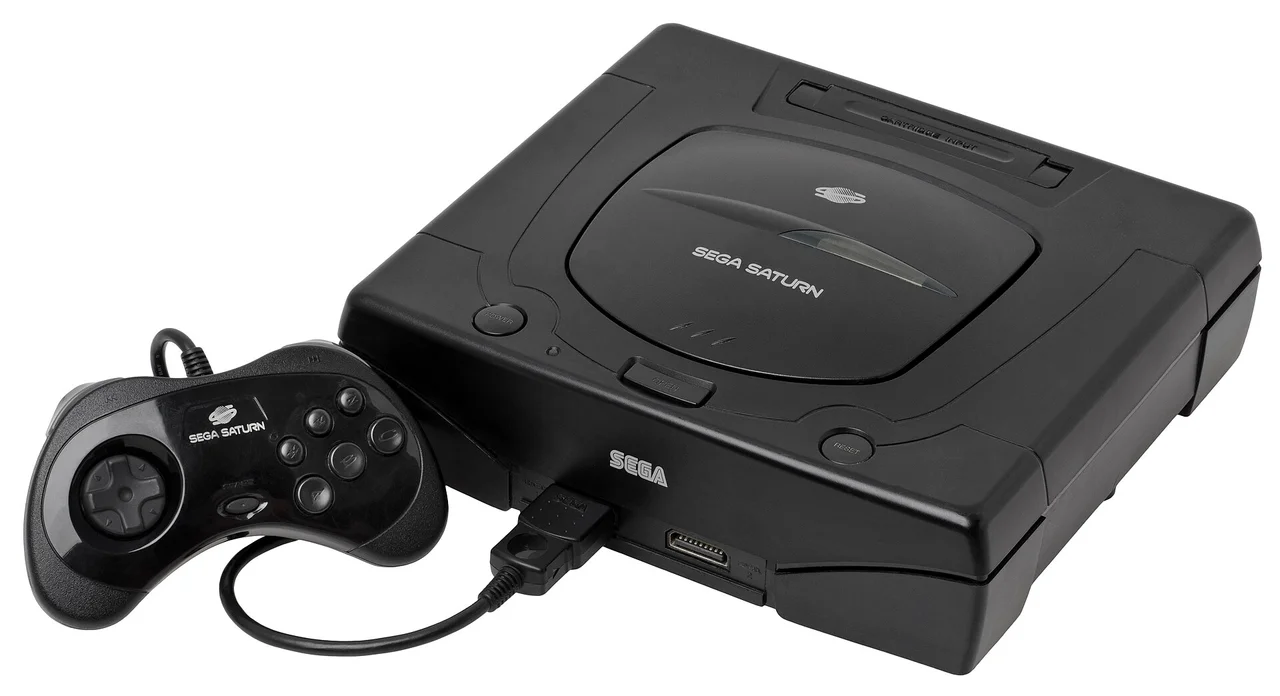
Another drastic consequence in the mad rush to market... Third party developers had built their release schedules around September. When the date moved to May, most of their games weren't ready to move with it. The US launch lineup ended up at six games, and every one of them was a Sega published title. Beyond Virtua Fighter, about the only other title on shelves at launch was Wan Chai Connection. Software stayed thin all the way through until September, which was meant to be the real launch date in the first place.
The chip that needed two heads
Even once developers caught up, the Saturn wasn't an easy machine to write for. It ran two Hitachi SH-2 processors at 28.6 MHz, and they shared a single bus, so they couldn't both touch system memory at the same time. Getting anything out of the second CPU meant hand-splitting the work between them, the way Virtua Fighter assigned a CPU per character on screen, or Nights into Dreams split 3D and 2D rendering across the pair. Early Saturn development leaned on assembly language rather than C, because assembly ran two to five times faster and the hardware needed every bit of that. One developer summed it up at the time: only about one programmer in a hundred was good enough to actually get the most out of it.
A library built on arcade iron
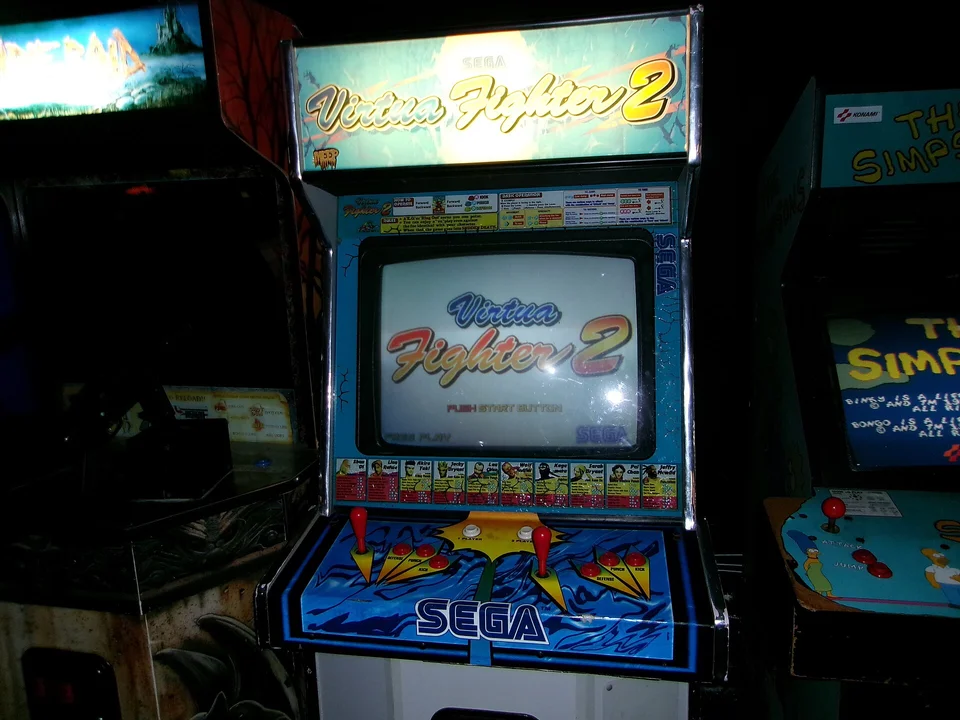
Where the Saturn actually earned its keep was in the arcade conversions. Sega's own Model 2 arcade board shared enough DNA with the Saturn that games like Sega Rally Championship, Virtua Cop and Virtua Fighter 2 made it home at 60 frames a second and higher resolution than the PlayStation versions could manage, a high point mentioned by reviewers at the time. Capcom's 2D fighters, Vampire Savior, X-Men vs. Street Fighter, Street Fighter Alpha 3, were about as close to the arcade original as a home console got that generation.
The console's own exclusives held up their end too. Nights into Dreams became the system's signature game, built around smooth analog flight through surreal 2D stages. Panzer Dragoon Saga is still talked about for its battle system and presentation. Guardian Heroes, Dragon Force and Shining Force III all built real followings. What the Saturn never got was an exclusive mainline Sonic platformer, Sonic X-treme got cancelled, and for Sonic die-hard fans that's a sore point still remembered today.
How it lost it
Sony's Steve Race priced the PlayStation at $299, a hundred dollars under the Saturn, and when Sega cut its price to match in October 1995, Sony answered at E3 1996 with $199 and forced Sega down again anyway, this time below what the Saturn actually cost to make. Sony also made it cheap for outside studios to publish on the platform, a $10 licensing fee and a 7 to 10 day reorder cycle, against cartridge-era lead times of ten to twelve weeks on older consoles. Namco's Tekken outsold Virtua Fighter on the strength of that pipeline. By November 1995, PlayStation was outselling Saturn three to one in the UK, where Sony had also spent roughly five times what Sega had on holiday advertising.
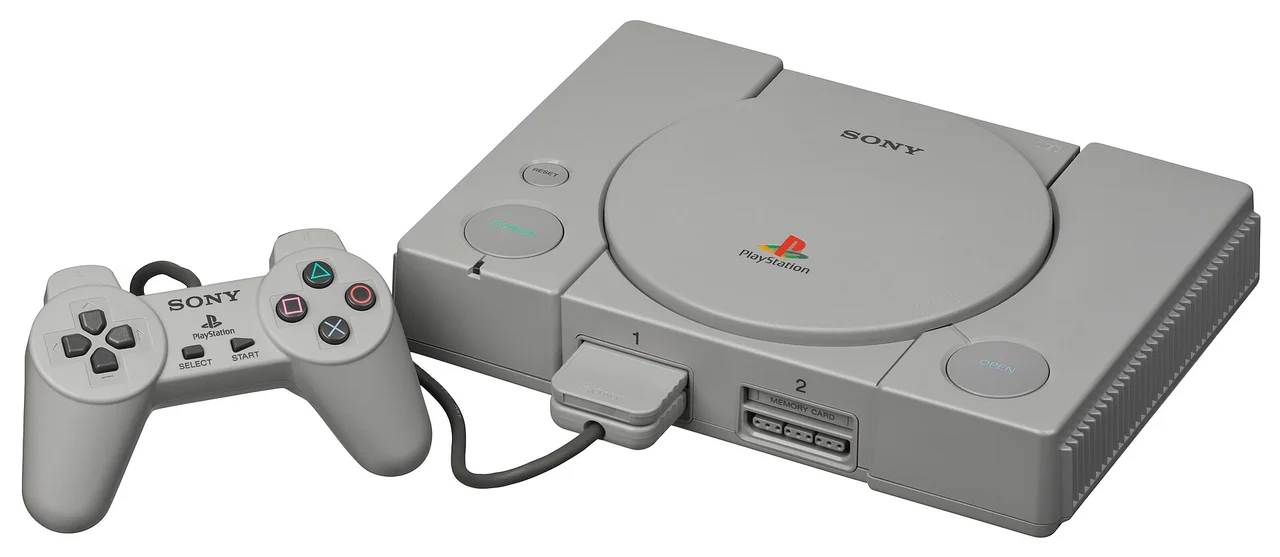
Where it actually won
None of this applied evenly everywhere. In Japan, the Saturn was ahead at the start, half a million units sold by the end of 1994 against 300,000 PlayStations, carried largely by Virtua Fighter. It crossed a million within six months and kept selling there until Sega finally discontinued it in 2000, two years after North America and Europe had already moved on. Worldwide the Saturn sold 9.26 million units across its life: 5.75 million of those in Japan, 1.8 million in North America, a million in Europe. By August 1997 Sony held 47 percent of the console market to Sega's 12.
The hardware that needed one programmer in a hundred to sing never got the easy third-party pipeline it would have needed to make up for that. However, the library it did get (especially the arcade ports) are still worth tracking down and playing today.
Photo credits: Sega Saturn console photo by Evan-Amos (CC BY-SA 3.0); Virtua Fighter 2 arcade cabinet photo by GuiltyGearFan37 (CC0); Tom Kalinske photo by Gage Skidmore (CC BY-SA 3.0); Sony PlayStation console photo by Evan-Amos (public domain). All sourced via Wikimedia Commons. Images are used for editorial purposes only and not for profit. If you own an image used here and have any concerns, email contact@playtopia.com.au and we'll happily credit or remove it.