
In 1993, id Software kept Doom's levels, textures and sounds in separate files instead of baking them into the executable. That decision is a big part of why Doom got a modding scene within weeks of release, and why "modding" became a normal thing games did at all.

What's actually in a WAD file
WAD stands for "Where's All the Data?". It's a single archive file holding everything that isn't code: level layouts, wall and floor textures, sprites for monsters and items, sound effects, music. Doom's executable reads that file at runtime instead of having any of that content compiled into it.
There are two flavours. An IWAD (Internal WAD) is the full set of data a game needs to run at all, the thing you'd get with a legitimate copy of Doom. A PWAD (Patch WAD) is smaller: extra or replacement content that loads on top of an IWAD without touching it. That split is what let people share new levels without needing to hand anyone the whole game.
Why id built it this way
Doom's lead programmer, John Carmack, had watched players try to pick apart id's earlier game, Wolfenstein 3D, and found the process harder than it needed to be. For Doom, he built the separation between engine and content in from the start rather than as an afterthought. The team also released a separate specification of the WAD format not long after launch, which meant nobody had to reverse-engineer it from scratch.
That's a deliberate choice from a studio that could just as easily have locked the format down. id didn't make a modding toolkit. It made a file format simple enough that other people could go build the toolkit themselves.
From editing utility to modding scene
Doom shipped in December 1993. DEU, the Doom Editing Utility, was public by January 1994, barely a month later. It let anyone lay out new rooms and corridors without touching a line of the game's code. Jeff Bird's Origwad, one of the earliest fully custom levels made with it, came out the same year.
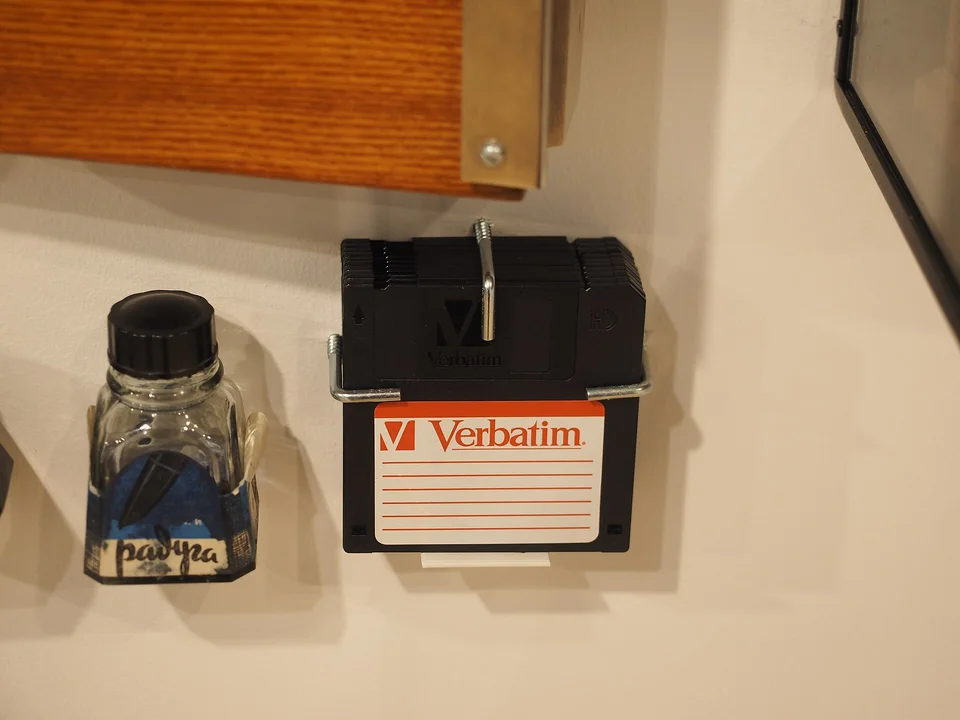
From there it snowballed fast. New WADs moved around on floppy disks and over dial-up bulletin boards long before broadband made file sharing trivial. Total conversions followed: WADs that swapped out enough textures, sounds and levels to turn Doom into something else entirely while still running on the same engine underneath.
Where it led
The WAD approach set a pattern other studios picked up: ship the engine and the content as separable things, and a mod scene tends to follow on its own. You can trace a line from WAD files straight through to the level editors bundled with later shooters, and on to the Steam Workshop and mod support most big games treat as a baseline feature now.
Ten mods worth knowing
WAD files got it started, but the mods that came after went a long way further. Here are ten of the best known, from Doom total conversions to mods that grew into games of their own.
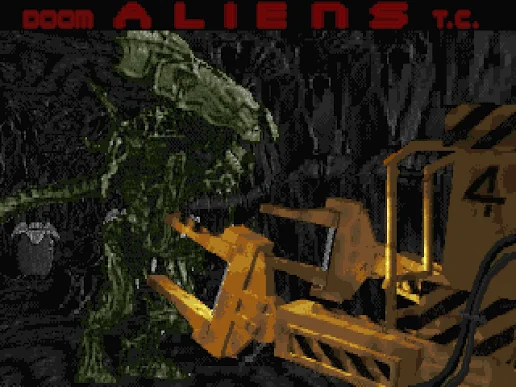
1. Aliens TC (1994)
Justin Fisher's take on the film Aliens is usually counted as the first total conversion. It swapped Doom's monsters, weapons and levels for marines, pulse rifles and xenomorphs. In the week Doom II came out, the Doom newsgroups were apparently talking about Aliens TC more than the new game.
2. Chex Quest
A Doom total conversion for kids, given away free in boxes of Chex cereal. It was the first video game ever handed out as a cereal box prize. Monsters get "zorched" back to their home dimension instead of killed, and it won advertising awards for the cereal maker.
3. Batman Doom
A Doom II total conversion that put you in Gotham. It was the first project from brothers Andres, Carlos and Edmundo Bordeu, who went on to make Zeno Clash and Rock of Ages as ACE Team.
4. Brutal Doom (2010)
Sergeant Mark IV's mod adds gore, fatalities, headshots, reloading and smarter enemies to the original game. It won the very first Cacoward for best gameplay mod and has passed five million downloads on Mod DB.
5. Team Fortress (1996)
A class-based team mod for Quake, made by an Australian outfit, TF Software. Valve bought it in 1998. That led to Team Fortress Classic in 1999 and Team Fortress 2 in 2007.
6. Counter-Strike (1999)
Minh Le and Jess Cliffe's Half-Life mod put terrorists against counter-terrorists in short, round-based matches. Valve joined forces with them in 2000 and released it as a boxed game that November. It's still one of the biggest esports going.
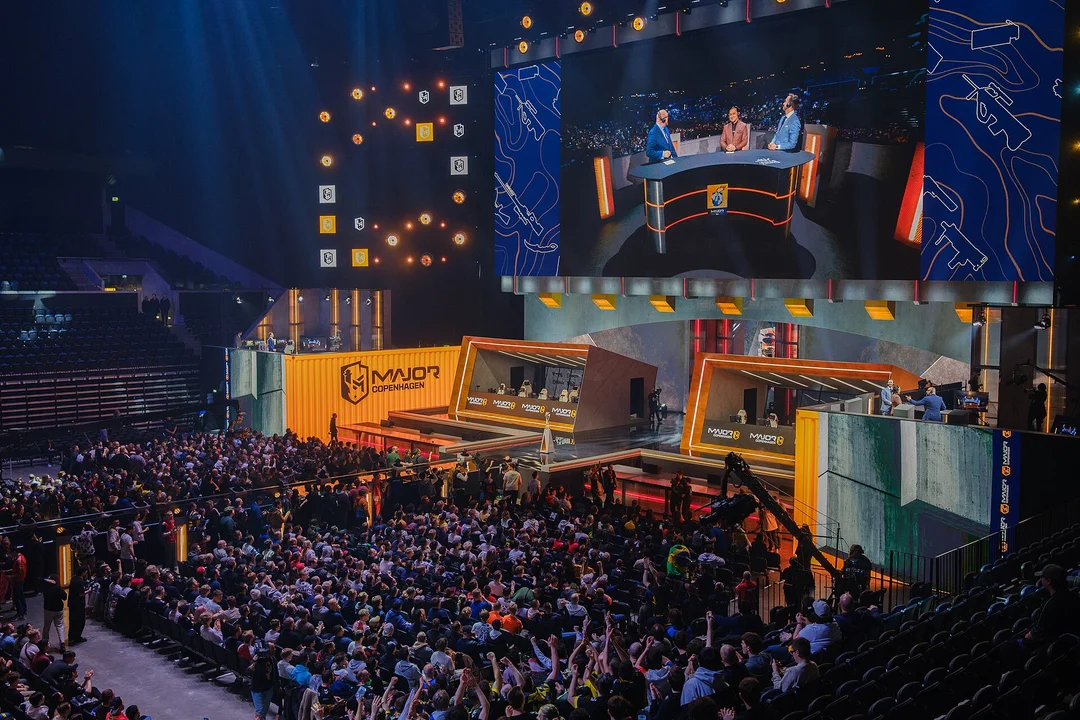
7. Defense of the Ancients (2003)
A custom map for Warcraft III, started by a modder called Eul and built up by Guinsoo and then IceFrog. It more or less invented the MOBA. Valve released Dota 2 in 2013, and Guinsoo took what he'd learned to Riot Games and League of Legends.
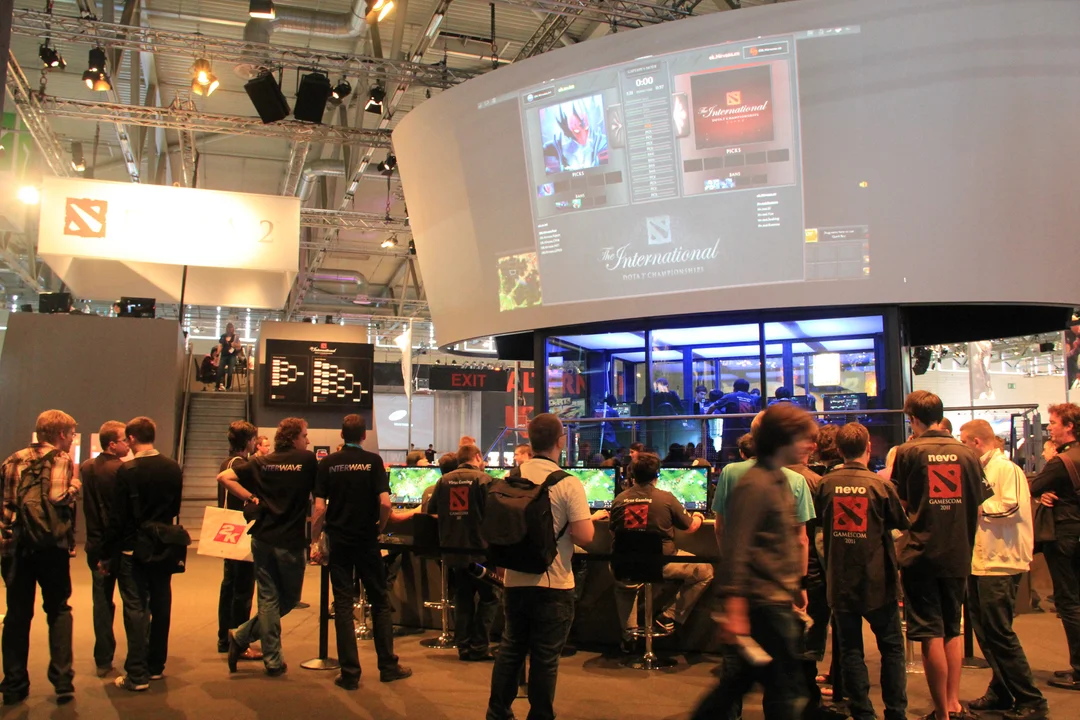
8. Garry's Mod (2004)
Garry Newman's physics sandbox for Half-Life 2 has no goal at all: you just spawn things and see what happens. It went on sale on Steam in 2006 and has sold more than 20 million copies since.
9. DayZ (2012)
Dean Hall's zombie survival mod for Arma 2 hit a million players in about four months. It kept a three-year-old military sim at the top of the Steam charts for weeks, and became a standalone game of its own.
10. PUBG (2013)
Brendan Greene, better known as PlayerUnknown, built a last-player-standing mod on top of DayZ, inspired by the film Battle Royale. The idea became PlayerUnknown's Battlegrounds in 2017, and battle royale became a genre.
None of that needed id to build a modding platform. It just needed a file format plain enough that curious people could open it up and start moving pieces around.