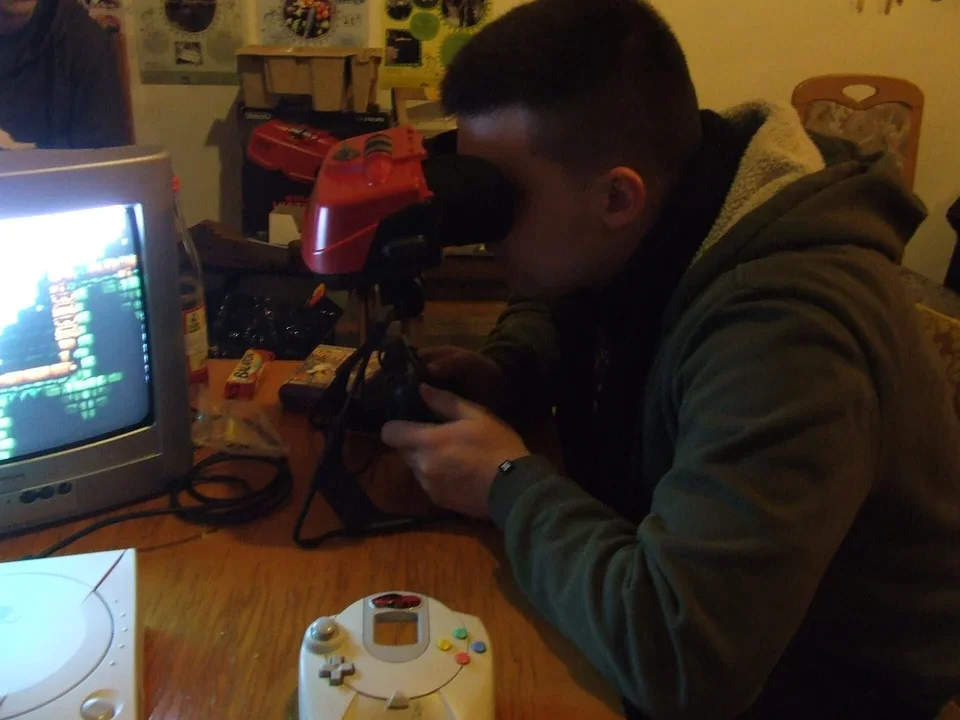
Nintendo's had plenty of weird hardware over the years, but the Virtual Boy still sits in a category of its own. It wasn't a failed add-on or a niche peripheral. It was a full console, sold at retail, that gave a good chunk of the people who played it a headache. I reckon that alone makes it worth a proper look, not just a punchline.
Four years under the codename VR32
Gunpei Yokoi, the man behind the Game Boy and the D-pad itself, led the project under the codename VR32 for close to four years before it shipped. By most accounts his own enthusiasm for it had cooled well before launch, and Shigeru Miyamoto barely touched it. That's not a great sign for anything heading out the door with the Nintendo name on it.
It landed in Japan on 21 July 1995 and in North America that August, priced at US$179.95. Latin America got it in September, and that was it. It never came out in Europe or Australia. If you wanted one here, you needed a mate overseas or an import shop willing to bring one in.
Why it only ever showed you red
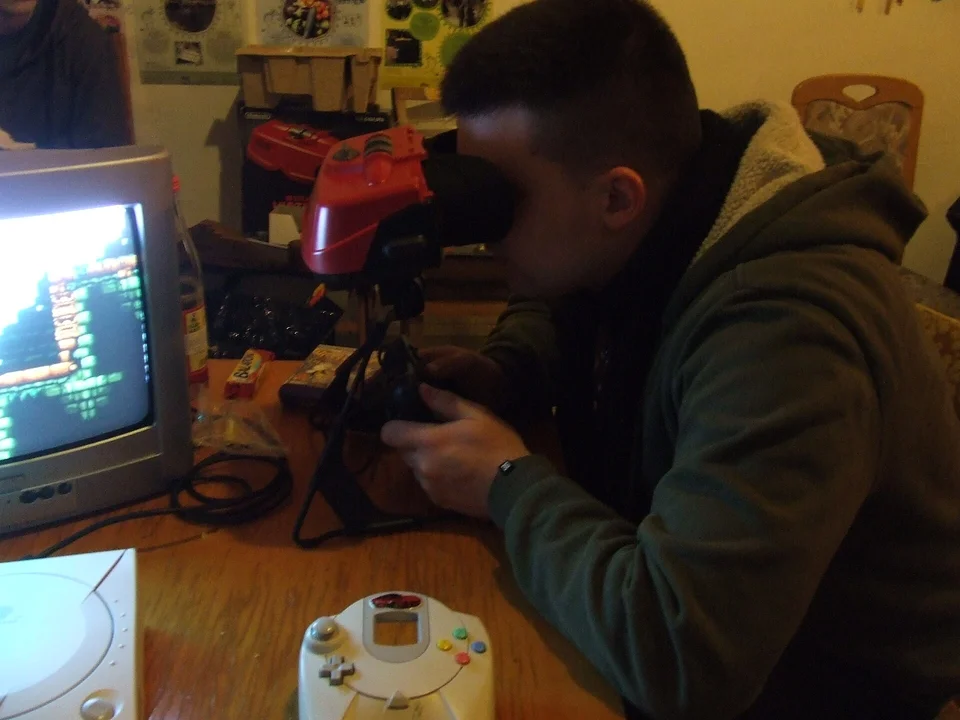
The Virtual Boy wasn't a headset in the way we'd mean that now. You didn't wear it. It sat on a stand on a table or your lap, and you leaned in and pressed your face against the visor. Inside were two separate scanning LED displays, one per eye, giving a genuine stereoscopic 3D image rather than the fake depth a lot of "3D" branding means.
The catch was the colour, or the lack of it. A proper colour LCD setup at the time would have pushed the system's cost past US$500, so Nintendo went with monochrome red LEDs instead. Red also happened to give a stronger sense of depth against black than other single colours would have. Cheaper and arguably more immersive, on paper. In practice, hunching over a desk unit and staring into red and black for any length of time left plenty of players with eye strain, headaches and nausea. One reviewer at the time reported temporary colour blindness after a two hour session.
Under the hood
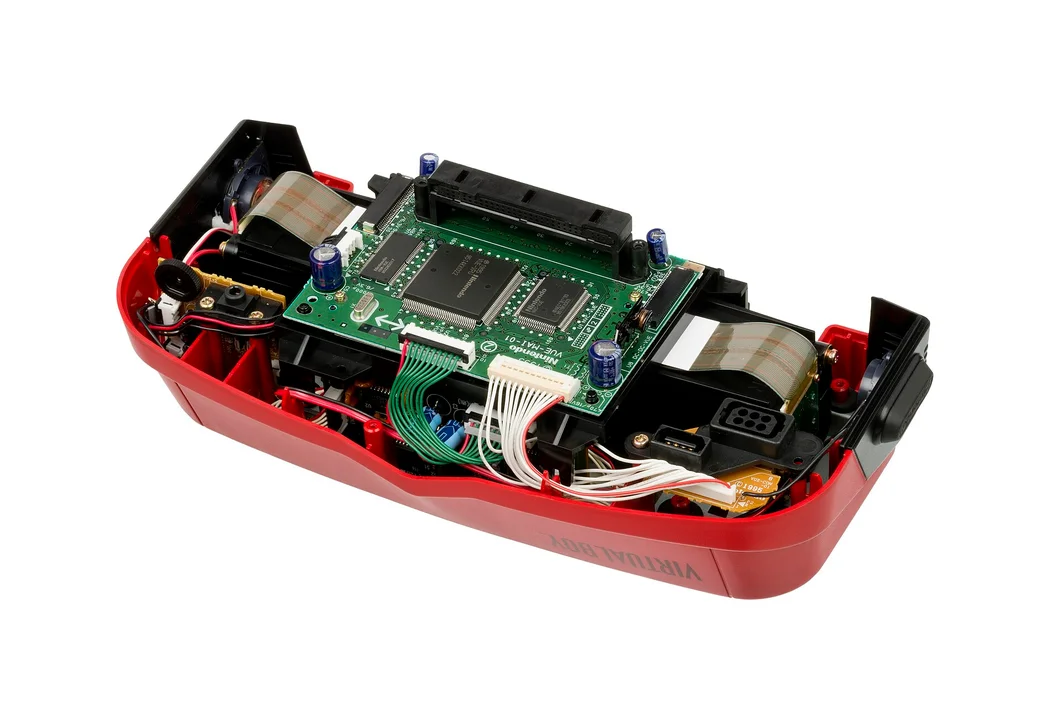
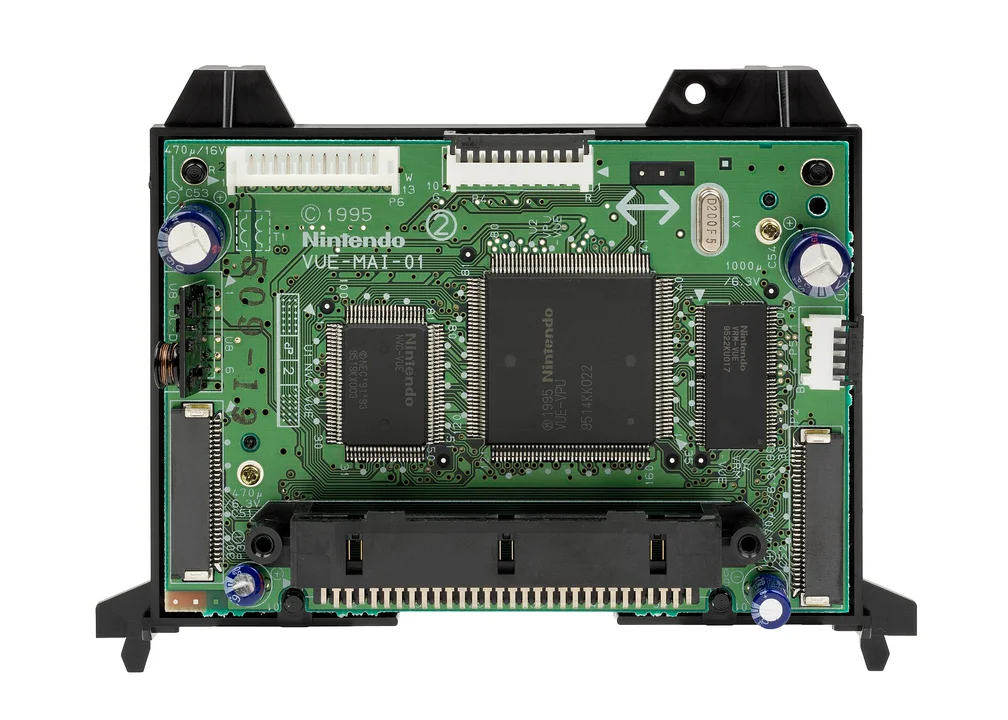
For all the jokes, the thing inside was a proper piece of kit. The Virtual Boy ran on an NEC V810, a 32-bit RISC chip at 20MHz, which makes it Nintendo's first 32-bit console. The Nintendo 64 was still most of a year away.
| Part | What Nintendo put in it |
|---|---|
| CPU | NEC V810, 32-bit RISC, 20MHz |
| Memory | 64KB work RAM, 128KB graphics DRAM, 128KB video RAM |
| Display | Two 384×224 red LED displays, one per eye, four shades each |
| Refresh | About 50Hz |
| Sound | Stereo, one speaker per ear |
| Media | ROM cartridge |
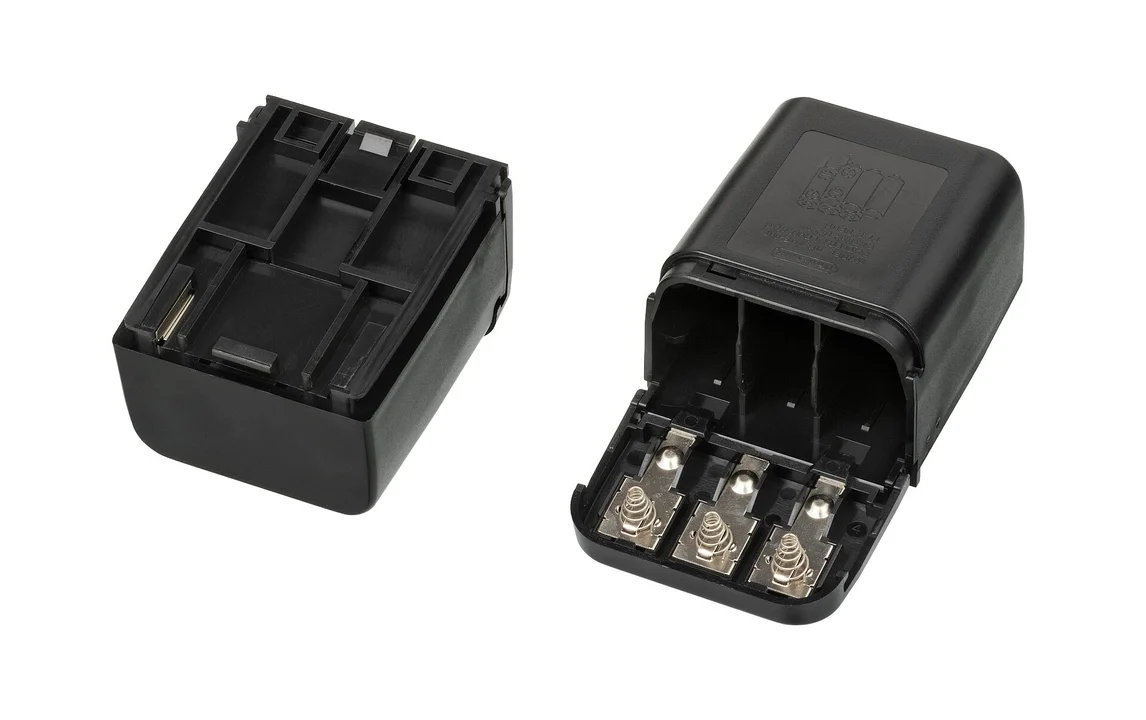
| Power | Six AA batteries, or a slide-on AC adapter |
| Ports | Controller, plus an EXT link port nothing ever used |
| Launch price | US$179.95 |
| Sold | About 770,000 worldwide |
The display is the clever bit, and the weird bit. There's no screen in there at all. Each eye gets a single vertical strip of 224 red LEDs, and a mirror oscillating back and forth at high speed sweeps that strip across your field of view to build up a 384×224 picture, about 50 times a second. Two strips, two slightly different images, and your brain does the rest. That mirror is also why the unit hums while it's running.
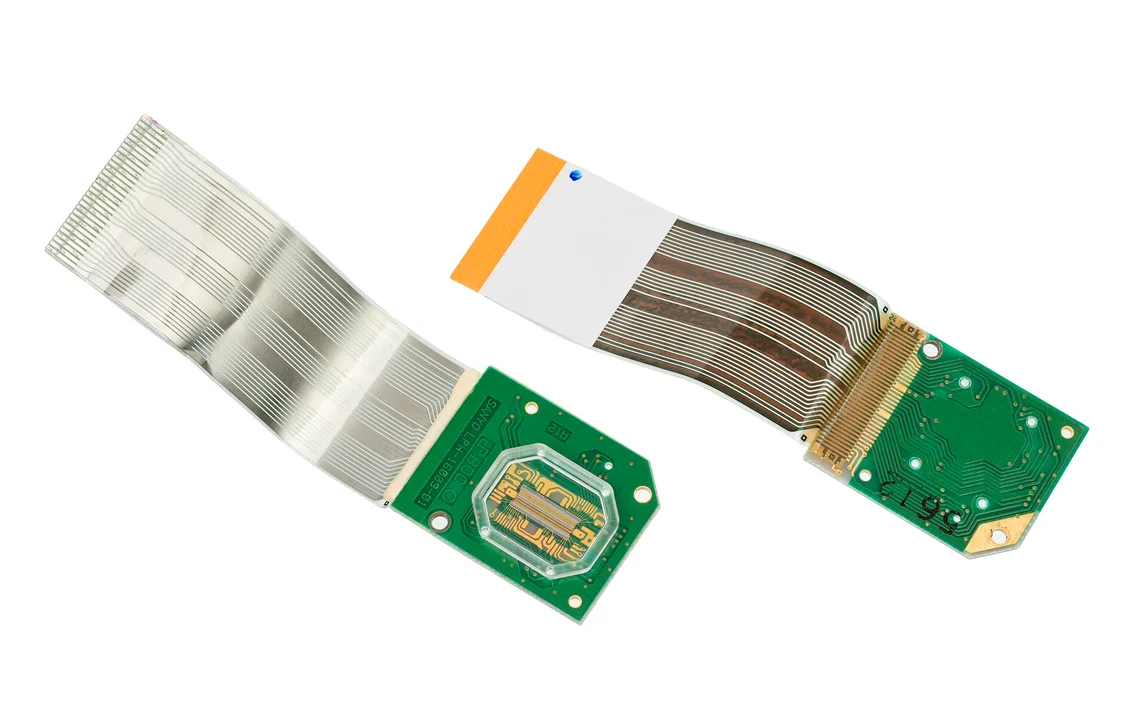
Each image only had four shades of red to work with, including black. And Nintendo knew exactly what it was asking of your eyes: every game offers to pause itself every 15 to 30 minutes and tell you to have a break. Most people ignored it, which explains a lot of the headache stories.
There's also an EXT port on the underside, meant for a link cable so two units could play against each other. The cable was still in the works at Nintendo in late 1996, after the console was already dead. Waterworld was supposed to use it and had its multiplayer cut, and Faceball, the other game planned for it, got cancelled. The port never ended up being used for anything.
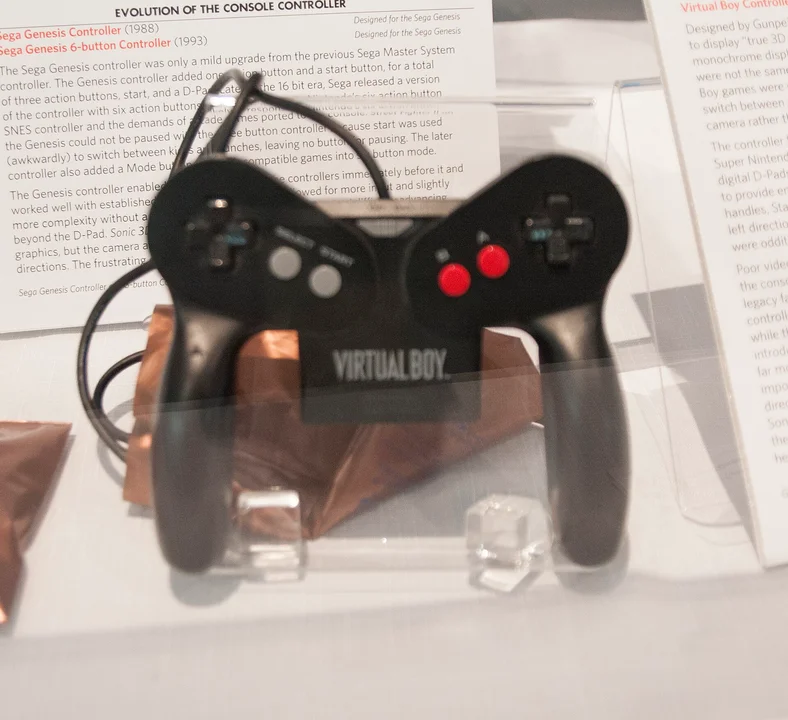
A controller with a grip on each side
The controller was its own odd little design. Rather than one D-pad, it had two, one under each thumb, plus a grip handle on either side so you held it like a steering wheel with buttons on it. Mario's Tennis came packed in with every North American console and ended up the system's best seller by default. Red Alarm, Teleroboxer and Galactic Pinball rounded out the launch lineup. Only 22 games were ever released for the system in total.
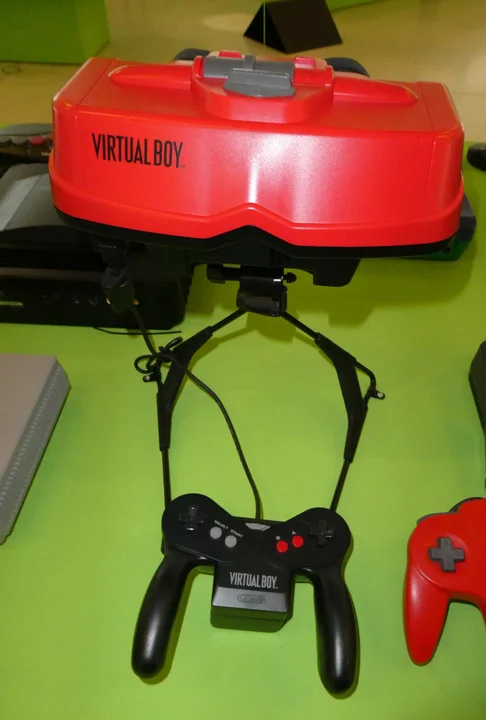
The two D-pads weren't just there for symmetry either. In flat 2D games they did the same job, so left-handers could swap sides. In the 3D ones they split up: one pad for moving around, the other for depth or aiming, which is the only way something like Red Alarm could work with a gamepad at all.
Four games worth leaning in for
A 22-game library is tiny, but it's not all filler. If you're going to put your face in one of these, these are the ones to start with.
Virtual Boy Wario Land (1995)
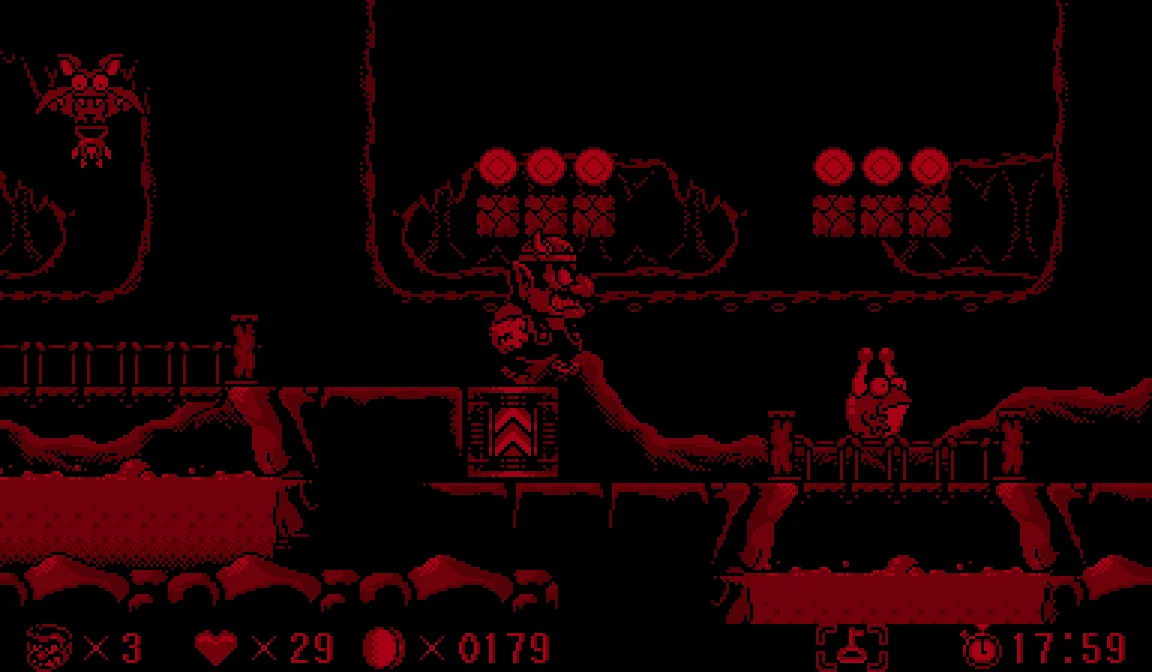
The best game on the system by a long margin. It plays like Wario Land on the Game Boy, but Wario can jump between the foreground and the background using spring pads, and a lot of the level design is built around enemies and hazards moving between the two layers. It's the one game that makes the 3D feel like it's actually part of the game instead of a coat of paint. Fourteen floors, hats that turn Wario into a bull, an eagle or a fire-breathing dragon, and bosses that come at you out of the screen. Gunpei Yokoi produced it, R&D1 built it, and its two-layer trick went on to inspire Donkey Kong Country Returns and Mutant Mudds. Its one real knock was that it's short.
Red Alarm (1995)
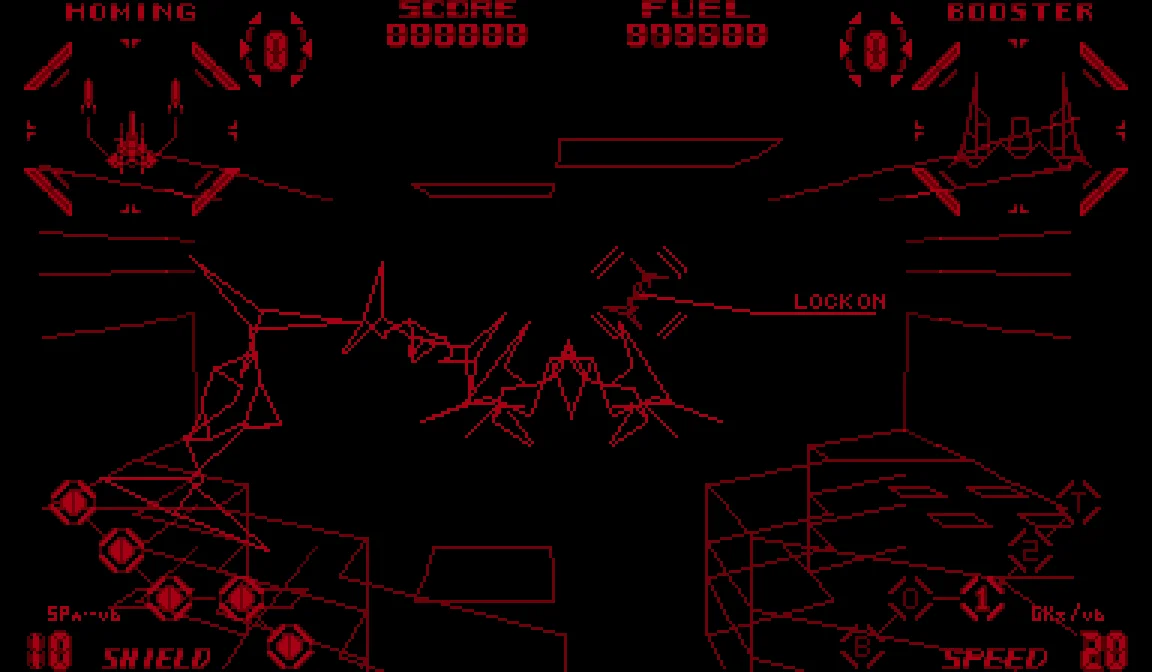
T&E Soft, the golf game people, made a Star Fox. It's one of the very few Virtual Boy games that runs on actual 3D polygons, but the hardware could only draw them as bare wireframes, so it looks like Battlezone with a red filter. You fly a fighter called the Tech-Wing through six levels to take down KAOS, a defence AI that decided humanity had to go. It's confusing to look at, sure. Lines in front of lines in front of lines. But it's fast, it's properly 3D, and it's the closest the console ever came to showing off what Nintendo was actually selling.
Teleroboxer (1995)
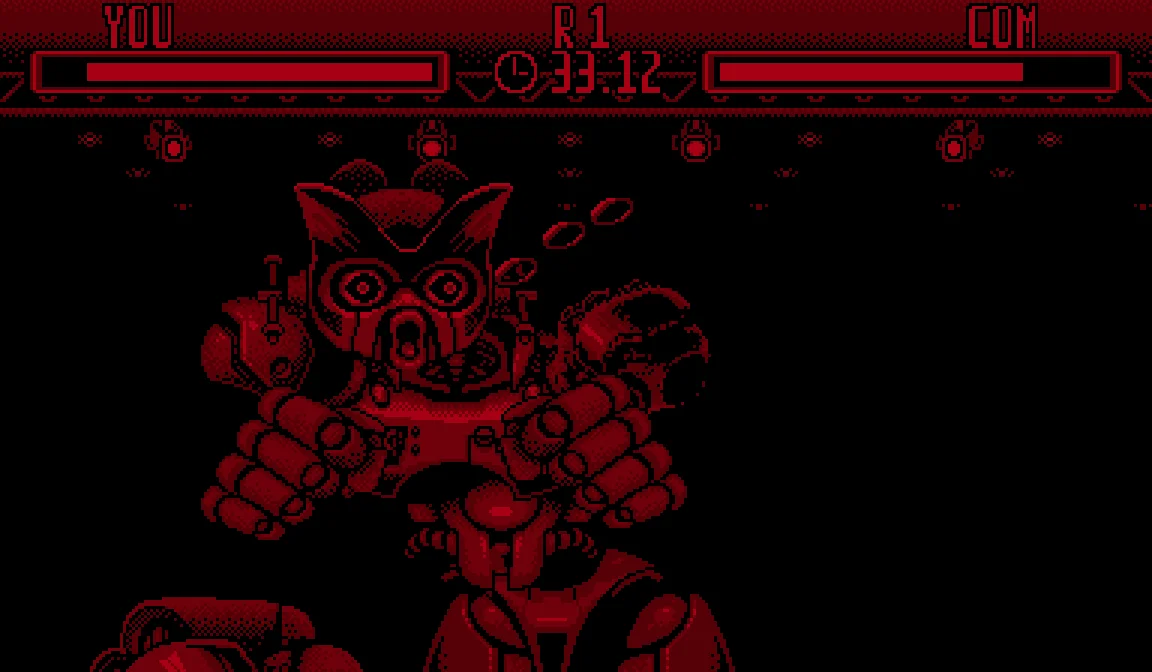
A launch title from Nintendo R&D1 that's basically first-person Punch-Out!! with giant robots. You see the fight through your robot's eyes, with your own fists in front of you, and both D-pads come into it because each one handles a different hand. When it was demoed early on, people reckoned it was the best use of the 3D effect on the whole system. It's also brutally hard, and Good Game's retrospective admitted the fights were stacked so heavily against you that you "couldn't help but shout obscenities at it". Fair.
Jack Bros. (1995)
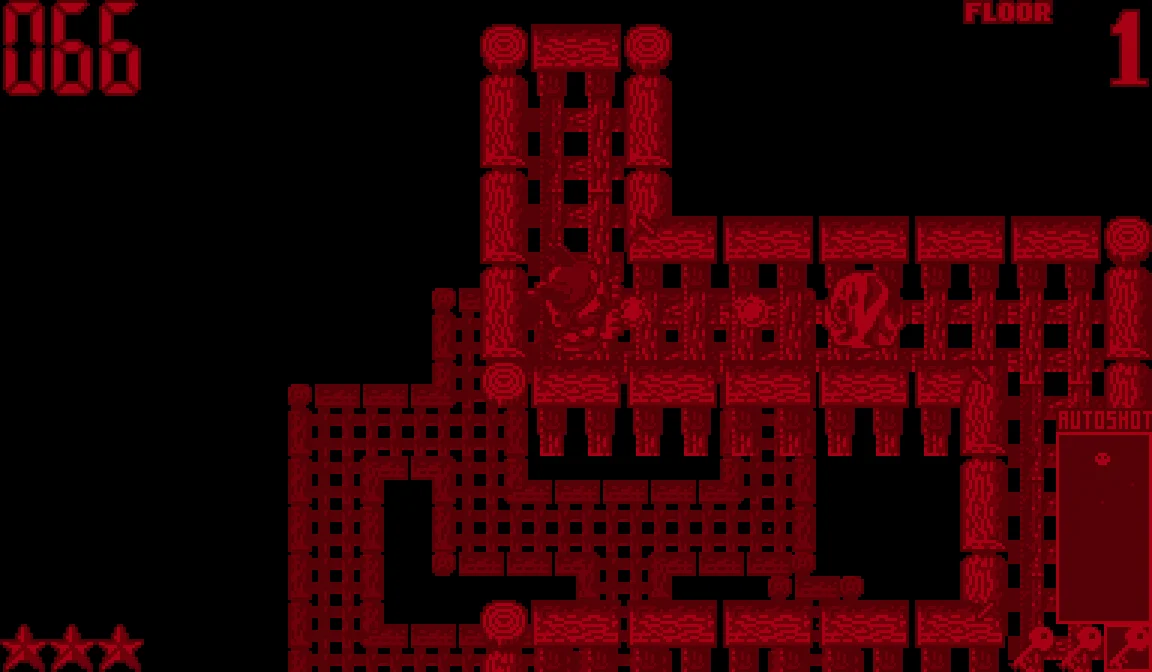
This one's a curio for Persona and Shin Megami Tensei fans. Atlus made it as a spin-off of the Megami Tensei series, and it was the first game from that series ever released outside Japan, which is a wild bit of trivia for a top-down maze game on the Virtual Boy. You pick Jack Frost, Jack Lantern or Jack Skelton, three fairies who stayed too long in the human world on Halloween, and race down floor after floor grabbing keys before the portal home closes. The 3D barely matters, but it's a tight little game, and it's got Jack Frost in it.
The whole library
Twenty-two games got a retail release. Eleven came out in both Japan and North America, eight were Japan-only, and three were North America-only, so no single region ever had more than 19. Nintendo of America kept going a few months after Japan gave up, and 3D Tetris, on 22 March 1996, was the last Virtual Boy game Nintendo ever released.
All 22, in release order. Box art on top, the game running underneath. Swipe or scroll sideways →
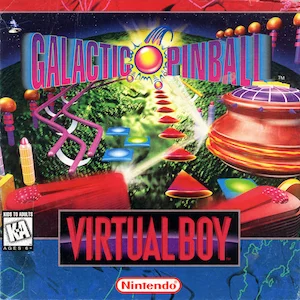
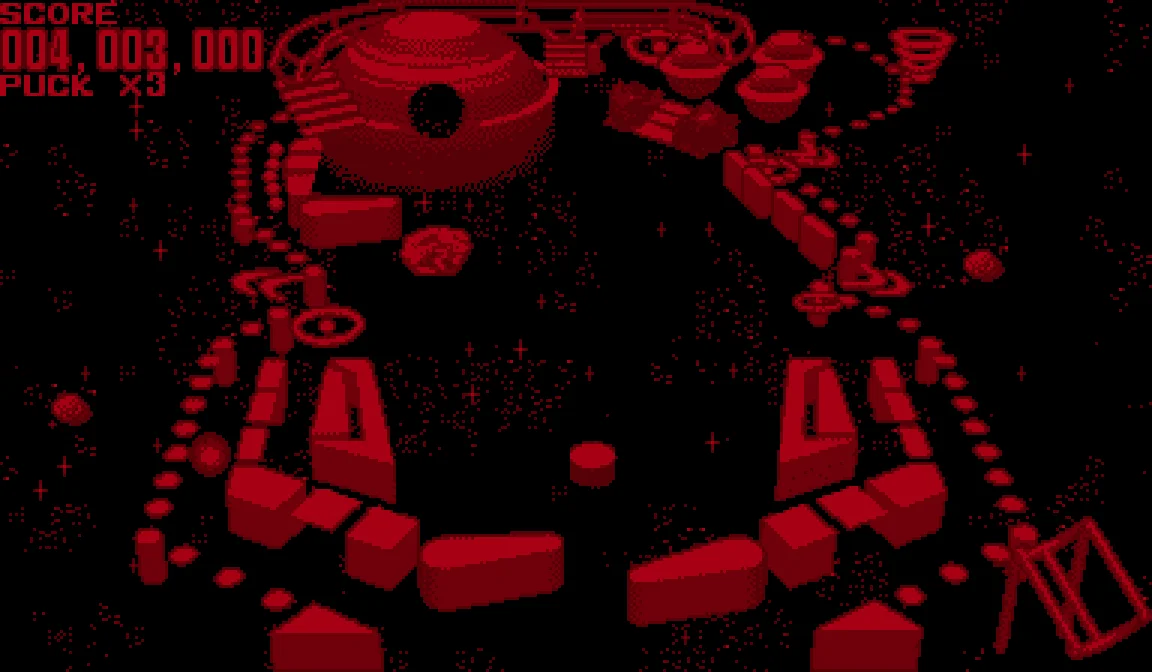
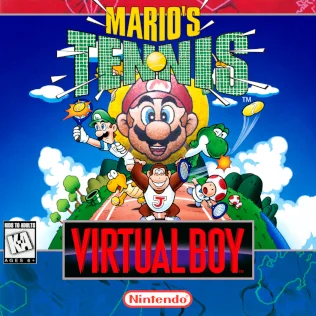
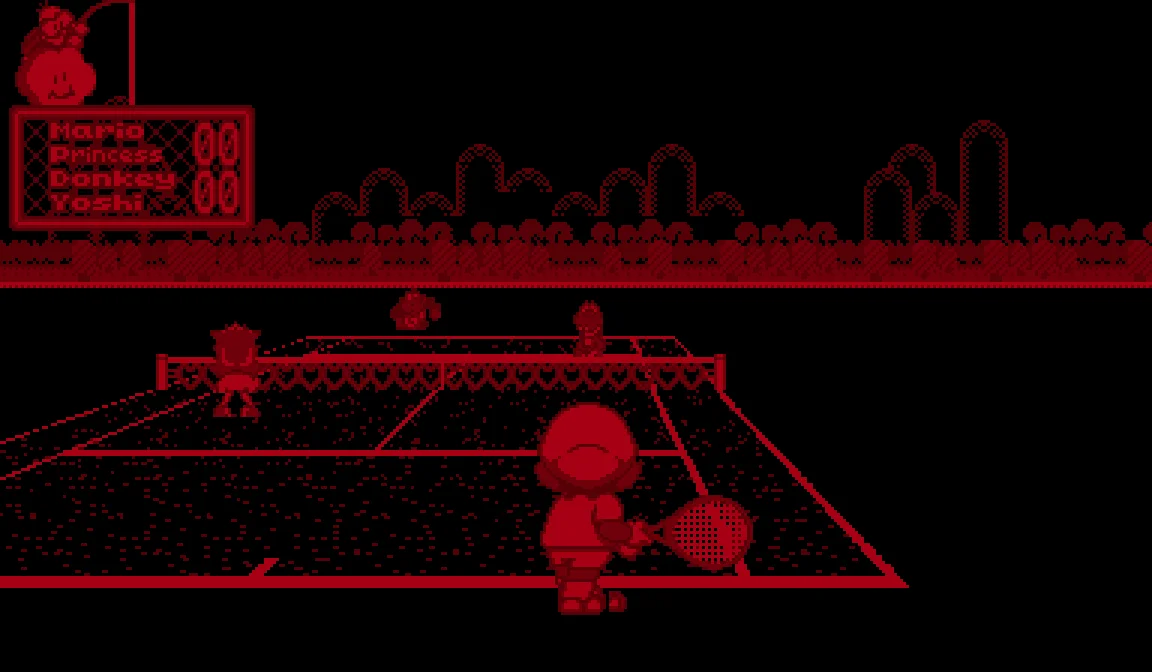
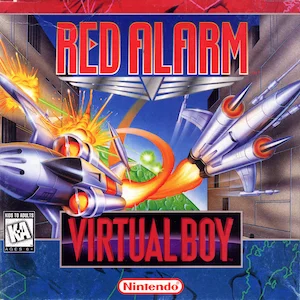
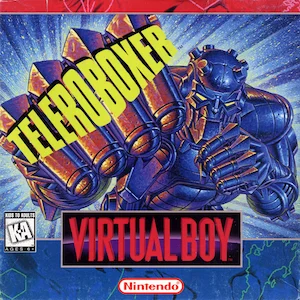
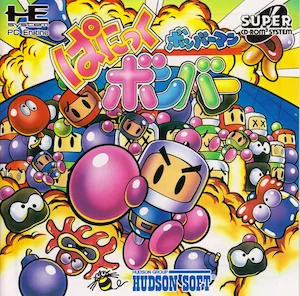
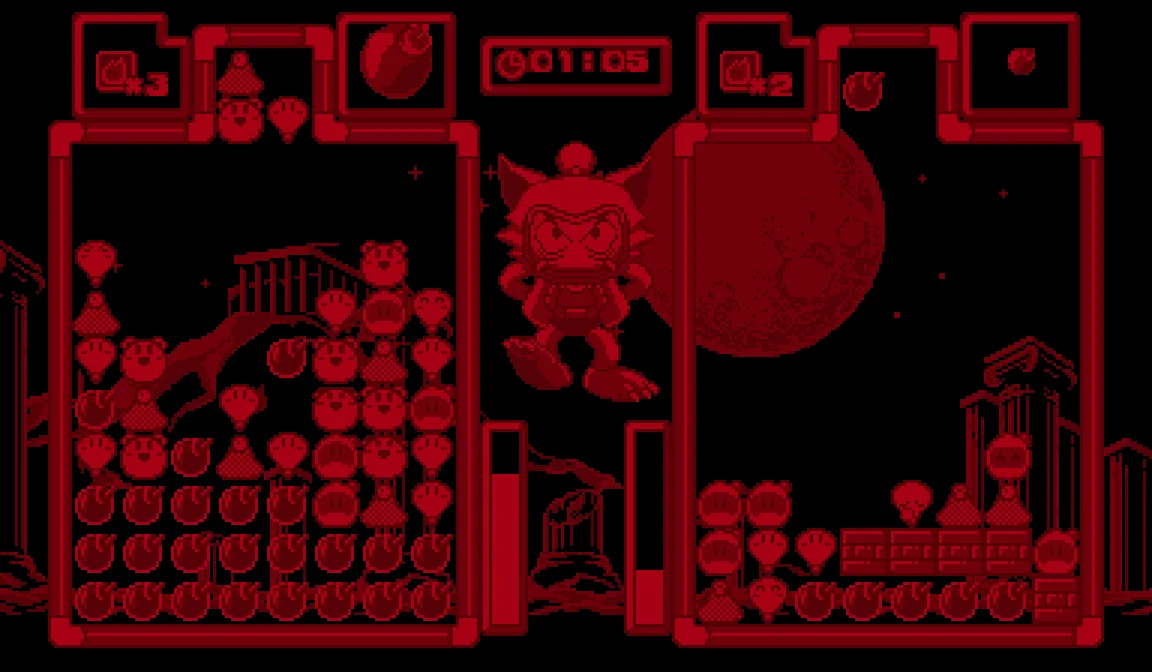
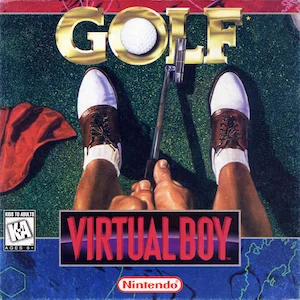
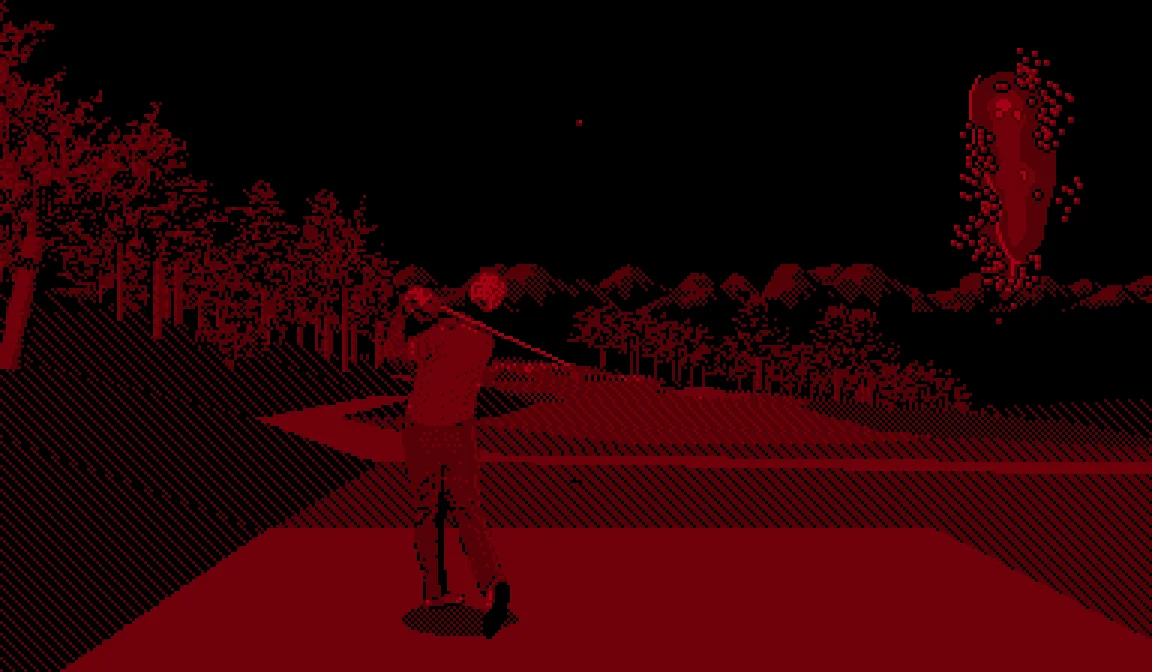
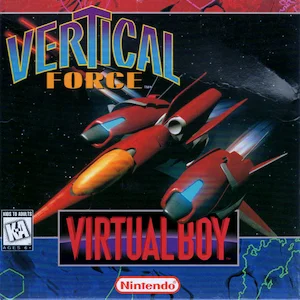
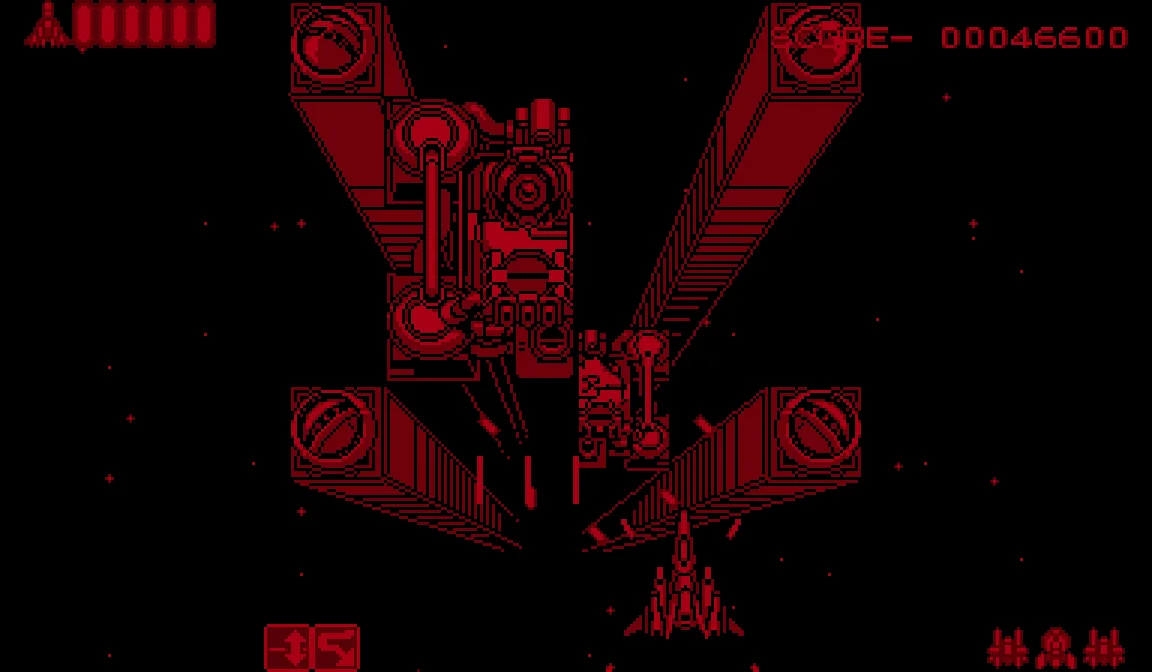
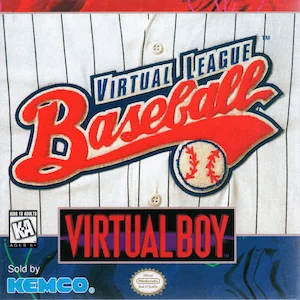
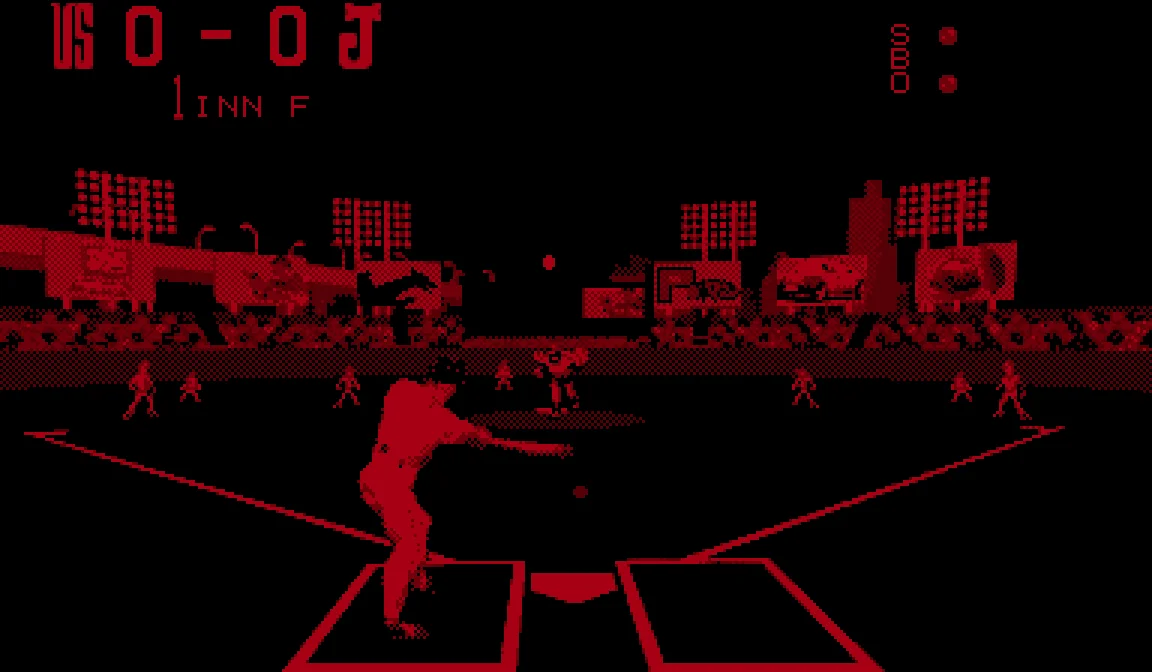
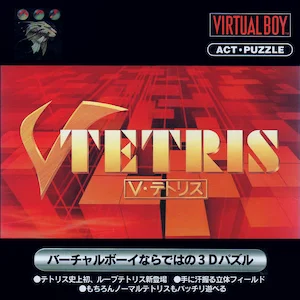
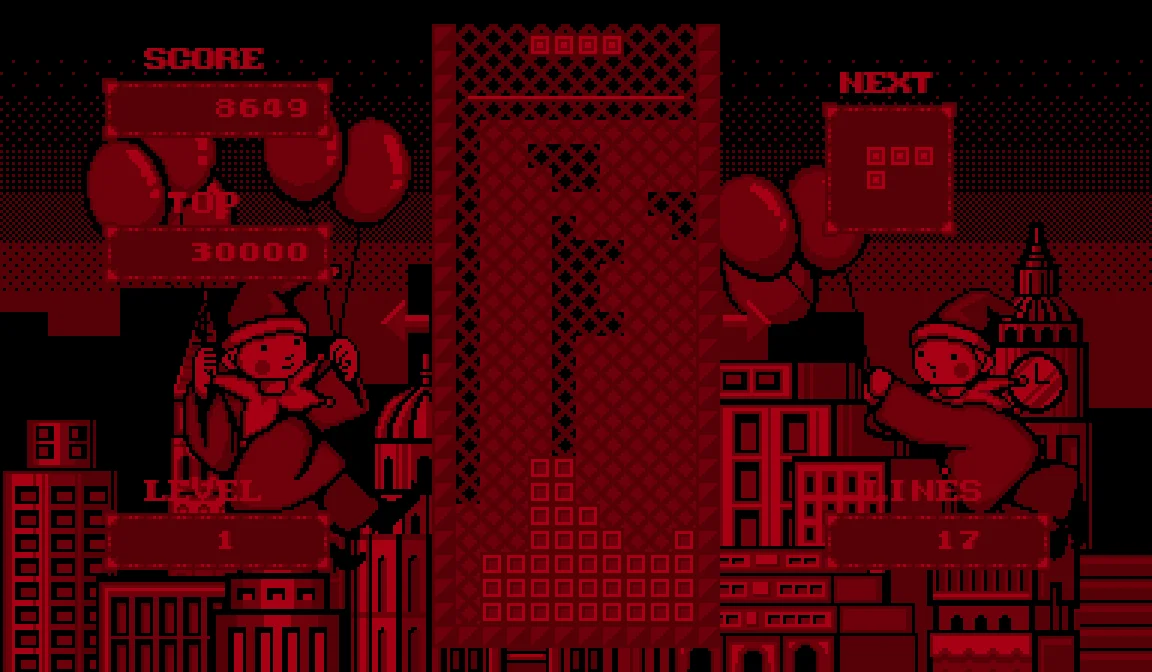
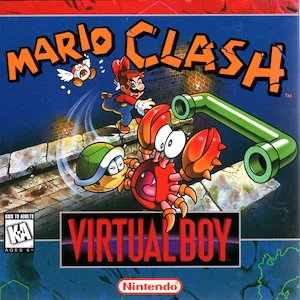
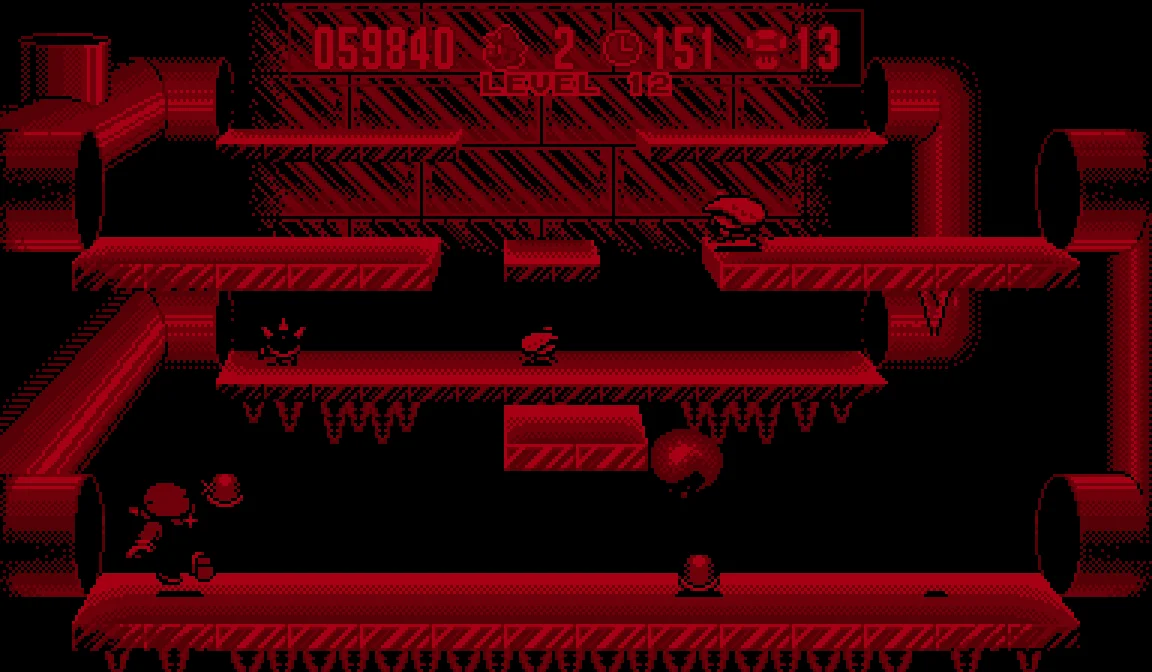
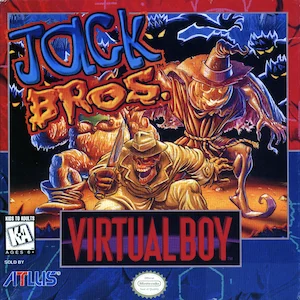
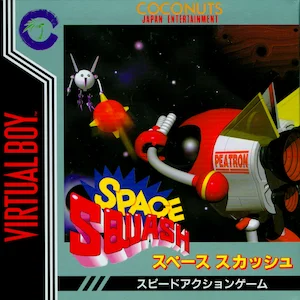
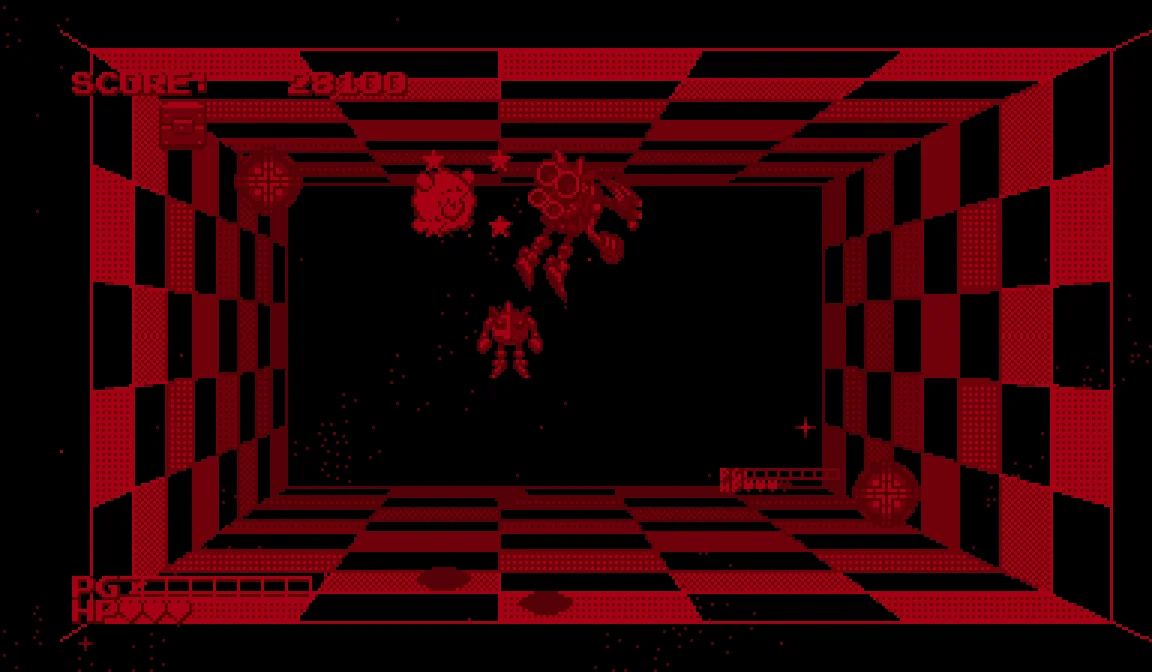
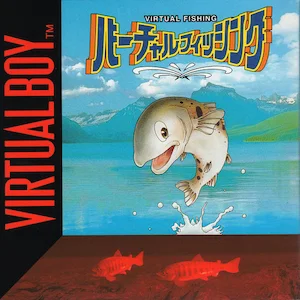

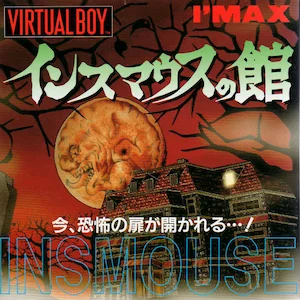
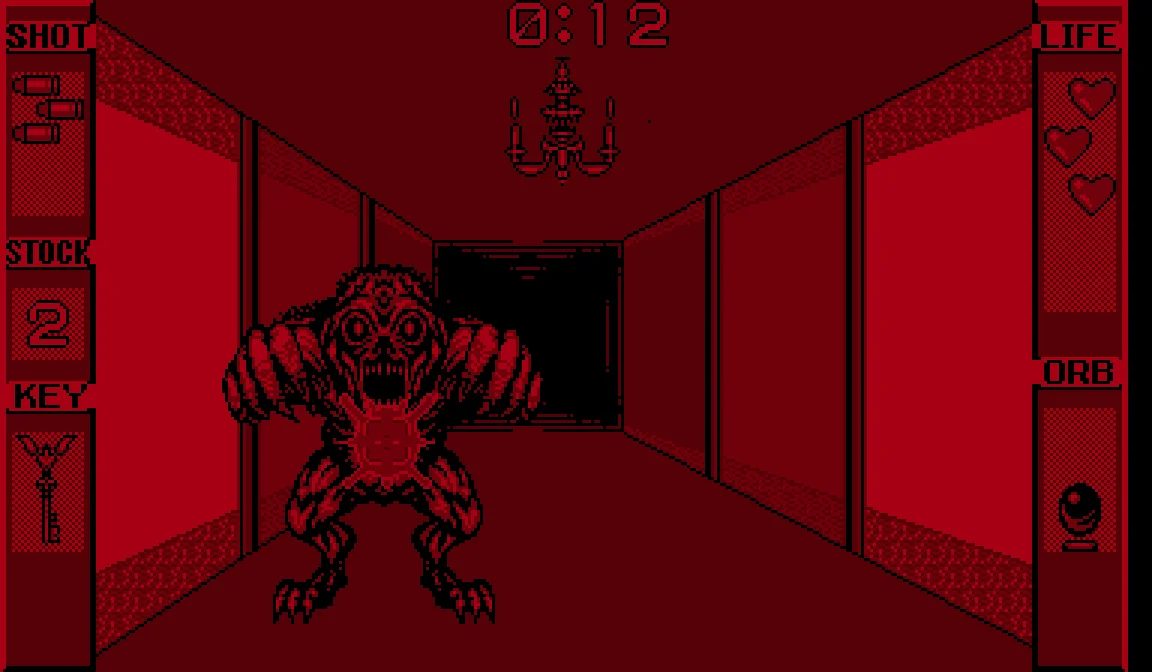
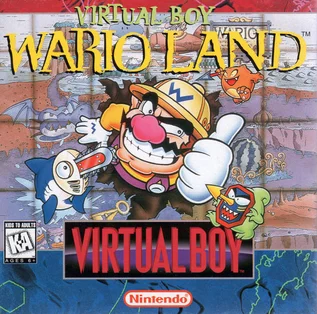
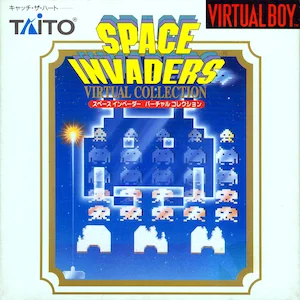
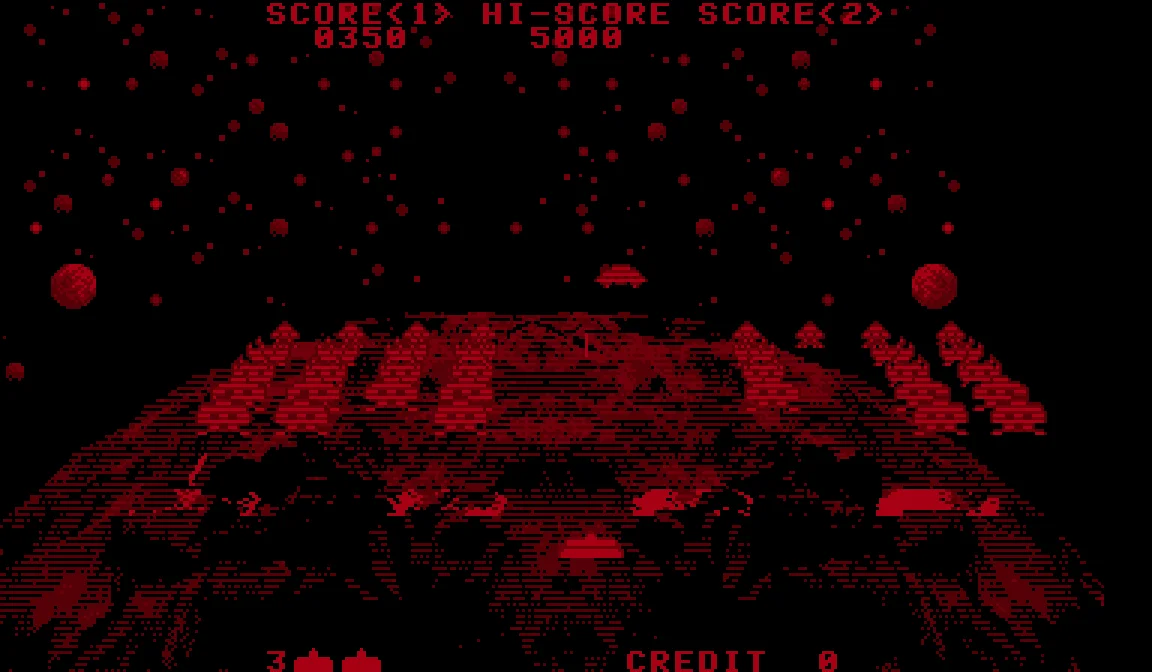
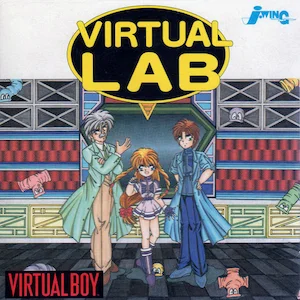
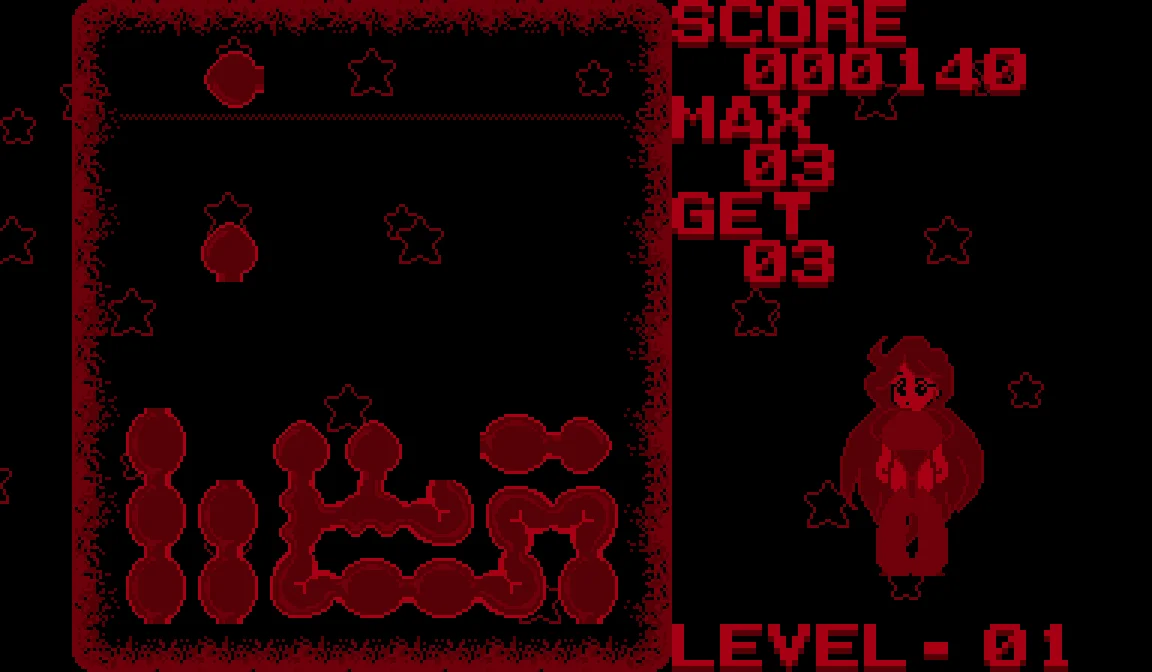
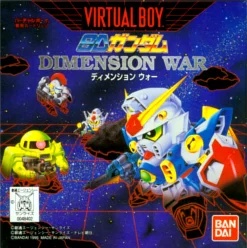
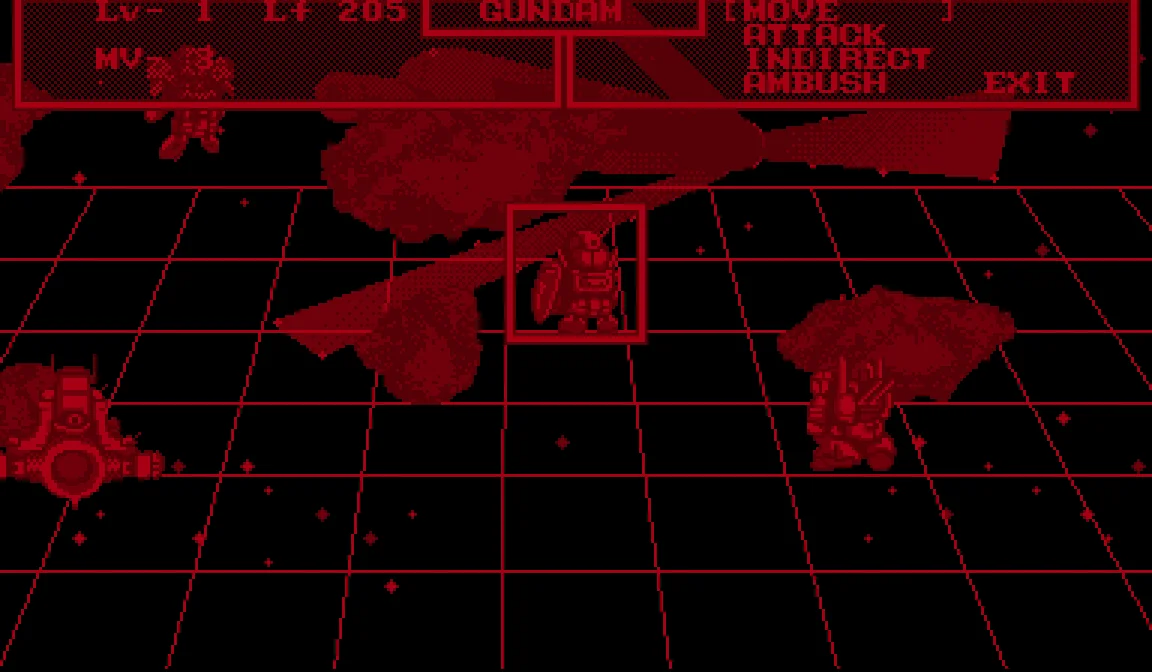
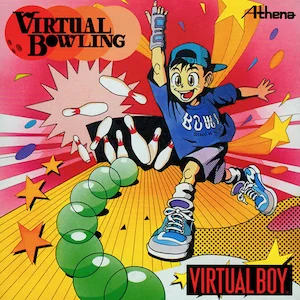
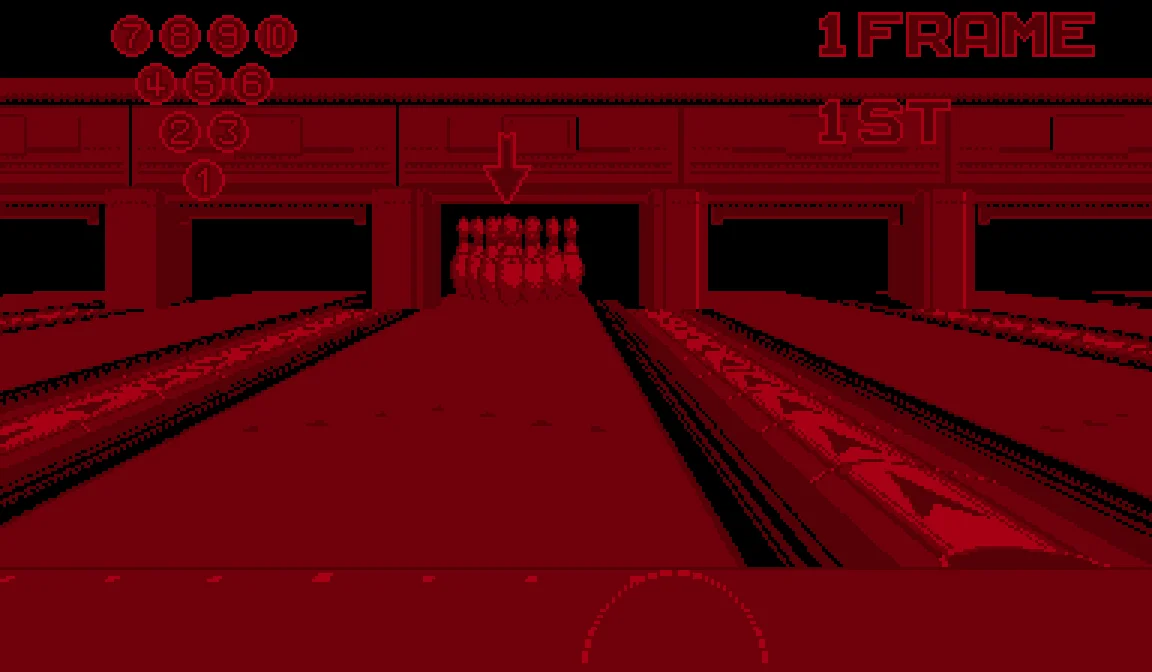
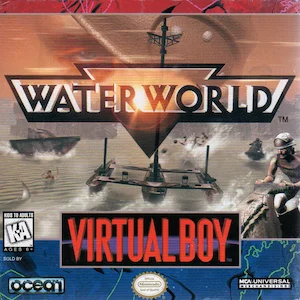
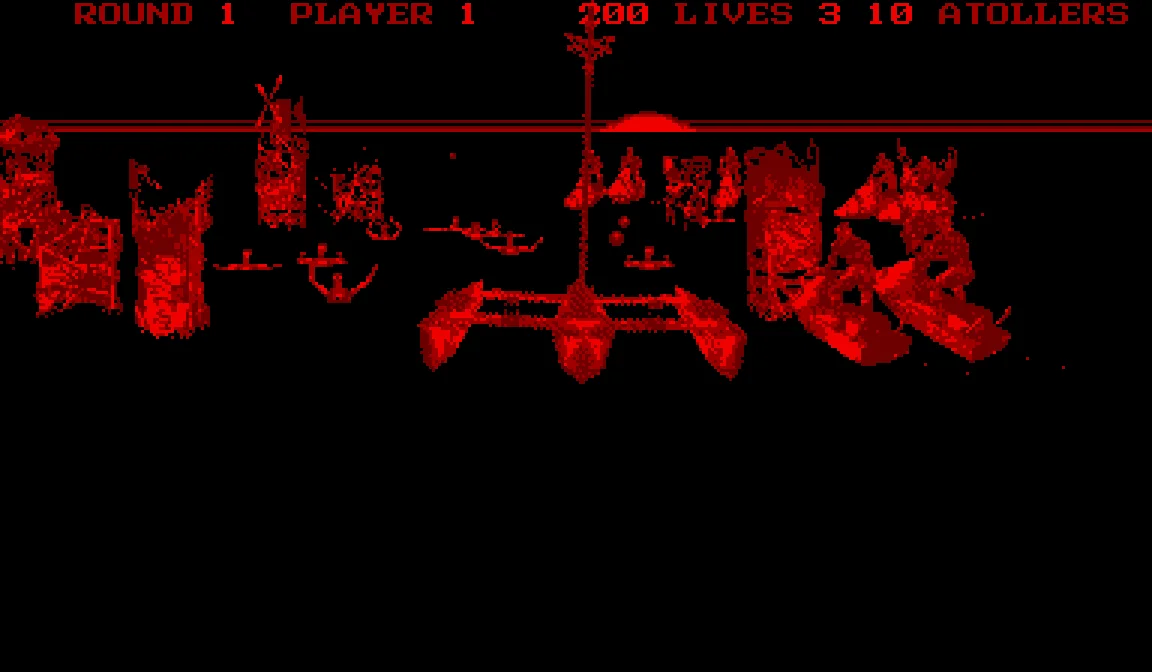
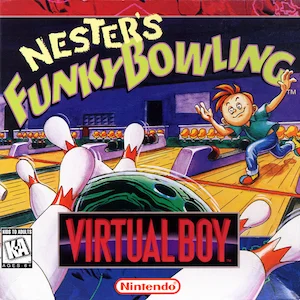
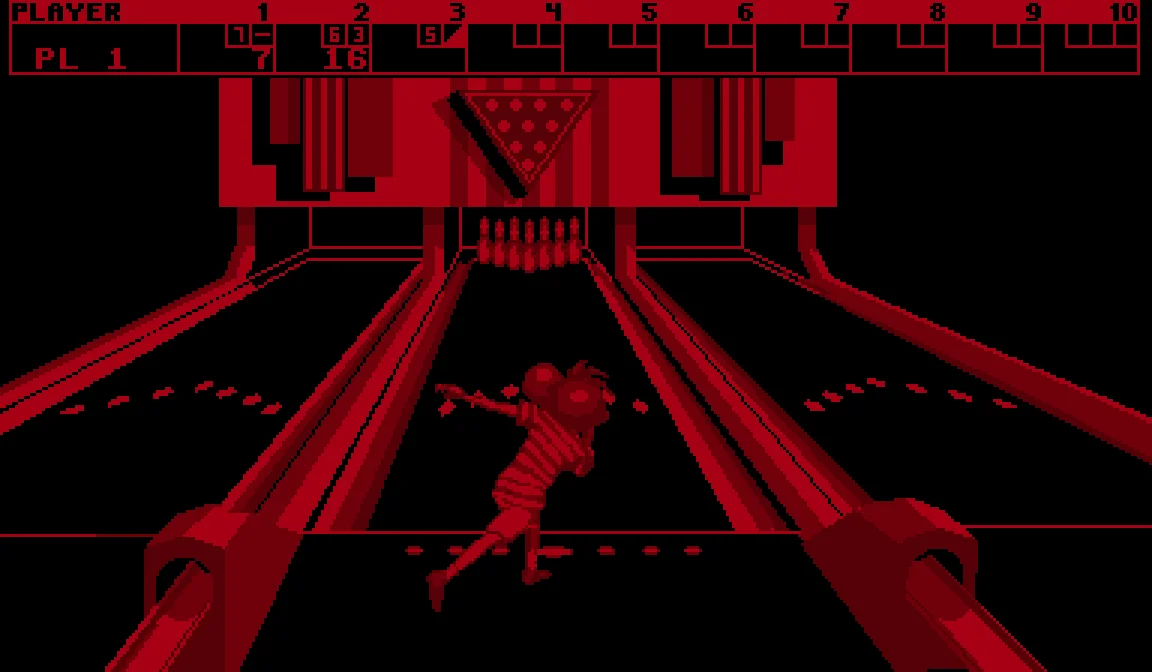
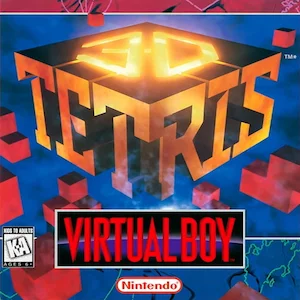
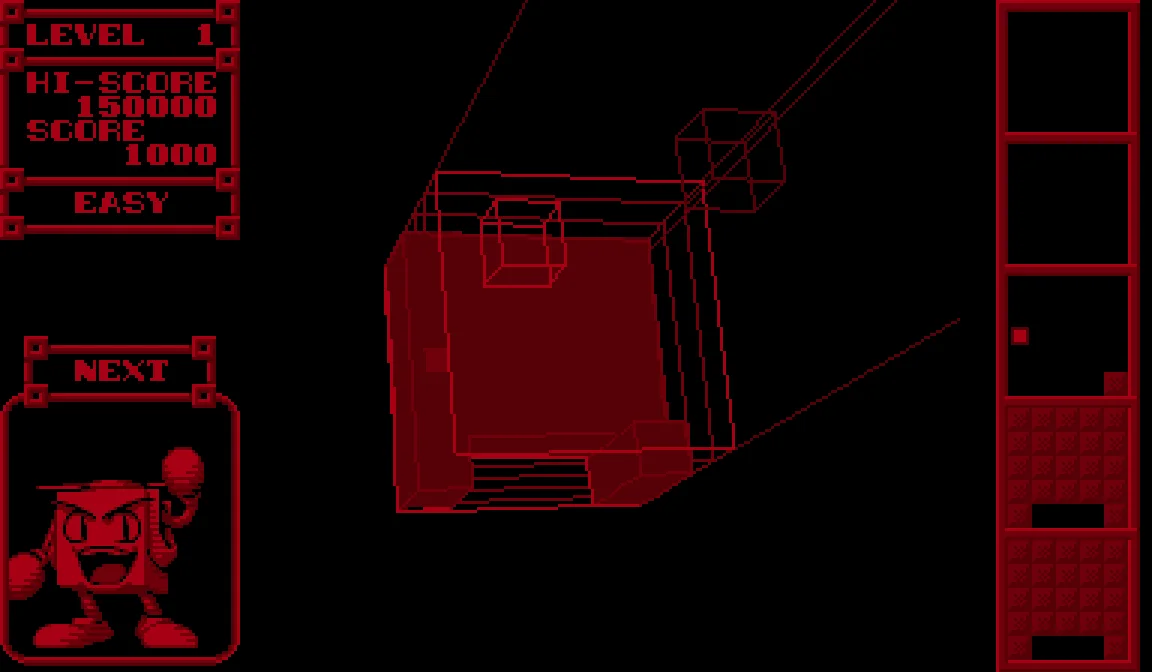
A few worth noting on the Japan side: Innsmouth no Yakata (The Mansion of Innsmouth) is a first-person Lovecraft horror maze, which is about the most unexpected thing you could put on a Nintendo console in 1995. SD Gundam Dimension War is a full tactics game, and the only Japanese Virtual Boy release built on someone else's franchise. It's also got a reputation as one of the weakest games on the system and, because it came out right as Japan pulled the plug, one of the rarest. Original copies have sold for more than US$1,000.
Gone within a year, no announcement
Nintendo pulled the plug on the Virtual Boy in Japan on 22 December 1995, barely five months after launch, and quietly let it die in North America by August 1996. There was no formal statement explaining the decision, it just stopped being made. Worldwide sales landed around 770,000 units, with about 140,000 of those in Japan. For a mainline Nintendo console, that's a disaster by any measure.
The price didn't help, and neither did the stand-bound, hunch-over-the-desk way you had to play it. Blockbuster rented units out in the US so people could try before buying, which in hindsight probably did the opposite of what Nintendo wanted: a lot of people tried it and worked out fast that it wasn't for them.
What Nintendo actually carried forward
Yokoi left Nintendo in 1996, not long after the Virtual Boy's collapse, and went on to found the company that built the WonderSwan. Nintendo itself steered clear of 3D for a long time. When it did come back to glasses-free 3D, it was with the 3DS in 2011, using autostereoscopic trickery on a handheld screen rather than anything you had to lean your face into. No headache required, and a very different idea of what "3D gaming" should mean for the company's next serious attempt at it.
Playing it now
Here's the twist. Thirty years on, Nintendo's brought the thing back. Virtual Boy games started landing on Nintendo Classics for Switch Online + Expansion Pack subscribers on 17 February 2026, on both Switch and Switch 2. Because the original 3D needs one image per eye, you slot the Switch into a viewer: either cardboard goggles in the style of the old Labo kits, or a plastic stand modelled on the original Virtual Boy. The old Labo VR goggles work too, unofficially.
Seventeen games were added across the following months, and two of them, Dragon Hopper and Zero Racers, had been cancelled in 1996 and never released until now. In August an update added other colour palettes, so if red and black was the problem all along, you can finally find out. And since the original never came out here, it's the first time anyone in Australia has been able to play these legitimately without an import.
If you've already got a 3DS, there's also Red Viper, a homebrew emulator from 2024 that runs the library using the 3DS's own stereoscopic screen. Which brings this full circle, really. The handheld that finally got Nintendo's 3D right is what runs the console that got it wrong.
Photo credits: console photo (museum exhibit) by Digital Game Museum (CC BY 2.0); Virtual Boy console photo by Christo (CC BY-SA 4.0); headset internals, motherboard, LED strip and battery pack photos by Evan-Amos (public domain); console and controller photo by Jzh2074 (CC BY-SA 4.0). All sourced via Wikimedia Commons. Game box art and screenshots © their publishers (Nintendo, Atlus, Hudson Soft, T&E Soft and others), via Wikipedia. Images are used for editorial purposes only and not for profit. If you own an image used here and have any concerns, email contact@playtopia.com.au and we'll happily credit or remove it.